

I. Introduction to Low-Carbon Martensitic Steel Jaw Plates
The low-carbon martensitic steel jaw plate is the core wear-resistant component of jaw crushers. By optimizing material composition and heat treatment processes, it achieves a groundbreaking balance among high hardness, exceptional toughness, and excellent weldability, making it a revolutionary material for crushing medium-to-high hardness ores (with compressive strength ≤250 MPa).
Performance Dimension |
High-Manganese Steel Jaw Plate (Mn13) |
Low-carbon martensitic steel jaw plate |
Core Advantages |
Initial Hardness |
HB180-220 (Unhardened) |
HB400-480 (Hardened at Factory) |
No need for impact hardening—still reliable under low-load conditions. |
Wear-resistant mechanism |
Surface Hardening via Impact (HB500+) |
Entire cross-section with uniform high hardness |
Lifespan increased by 1.5 to 3 times |
Impact toughness |
≥100 J (Extremely High) |
40–80 J (Scientifically Matched Requirements) |
Meet the crack resistance requirements while avoiding overdesign. |
Weldability |
Extremely poor (carbon equivalent > 1.8%) |
Excellent (carbon equivalent 0.4–0.6%) |
Support on-site surfacing repair |
Total Cost |
Low unit price, short lifespan |
The unit price is high, but the cost per ton of ore has dropped by 30%. |
Long-term benefits are significant. |
II. Performance Characteristics
The core performance advantage stems from its unique microstructure. The martensitic structure, formed through the quenching of high-temperature austenite, features a highly oriented crystal arrangement that imparts to the material exceptional strength, hardness, and excellent toughness. Compared to conventional high-carbon martensitic steels, low-carbon martensitic steel achieves an optimal balance between strength and ductility by carefully optimizing carbon content and refining the quenching process. At the same time, it boasts superior corrosion resistance, wear resistance, and lightweight characteristics, making it well-suited to meet the demanding requirements for comprehensive material performance across multiple industries.
3. Key Points in the Production Process
1. Smelting and Casting
Purity Control: Electric furnace + LF refining reduces S and P content (S ≤ 0.015%, P ≤ 0.025%).
Chill Optimization: Computer simulations of the solidification process prevent shrinkage porosity (densification is required in stress-concentrated areas of the riser plate).
2. Heat Treatment Process
Quenching cooling rate: Avoid bainitic transformation (which affects toughness); for thick, large cross-sections, accelerate cooling.
Tempering Control: Maintain martensite strength while relieving stress, preventing excessive tempering-induced softening.
IV. Typical Application Areas of Low-Carbon Martensitic Steel
Automotive Industry: Used in the manufacturing of wheels, chassis, body structures, and high-strength bolts, it helps reduce vehicle weight, enhance fuel efficiency, and lower carbon emissions—while also meeting the demands for impact resistance and wear resistance.
Architectural and Bridge Engineering: With high strength and weather resistance, it is ideal for load-bearing structures and bridge construction. Its lightweight properties help reduce the overall self-weight of the structure.
Shipbuilding: Its high strength, toughness, and corrosion resistance ensure that ships can meet the demands for compression resistance, impact resistance, and extended service life.
In the aerospace field: Due to their high strength, lightweight properties, and exceptional resistance to high temperatures and corrosion, they have become a critical material for aerospace structures.
Mold Manufacturing: For instance, ultra-low-carbon cold-extrusion molding plastic mold steels (such as domestically produced 06 steel) can shorten the mold manufacturing cycle, reduce costs, and extend service life.
Keywords
Previous: High-precision cast iron parts
Low-carbon martensitic steel jaw plate
Contact Information
Product Categories
Related Products
Related Products
Ball mill
Ball mill

Rod Mill
(Semi) Autogenous Mill
Mining Hoisting
Single-rope Winding Mine Hoist
Multi-rope friction mine hoist
Well Drilling Hoist
Supporting Equipment

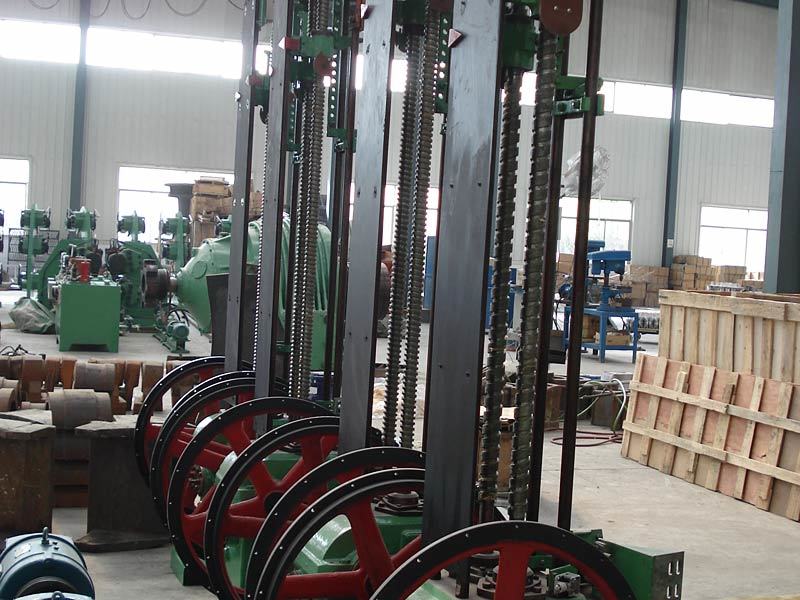
Mining Washing and Selection
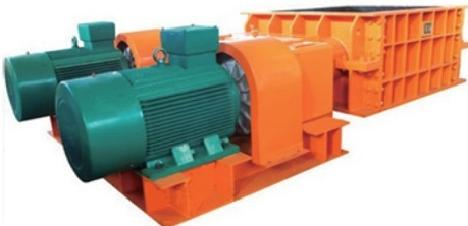
Selective Crusher
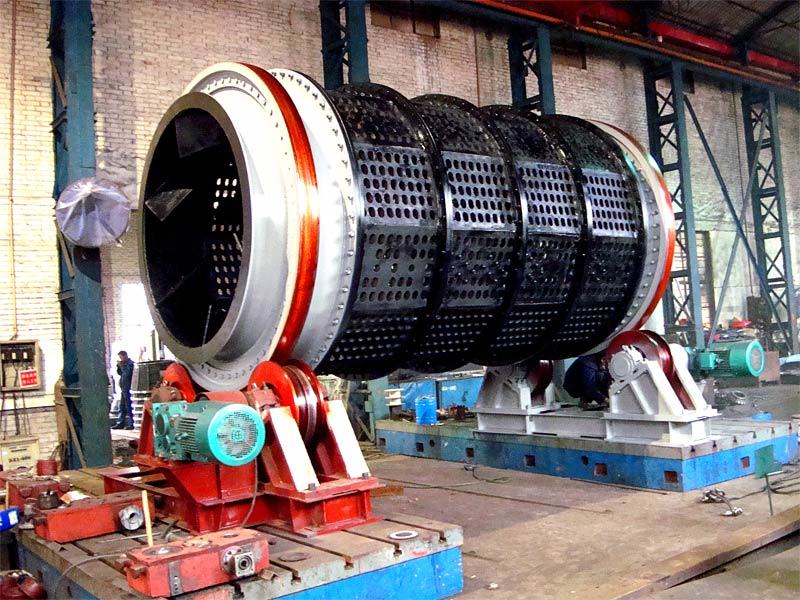
Centrifuge
-
WLL Series Coal Slime Scraper Discharge Centrifugal Dehydrator
-
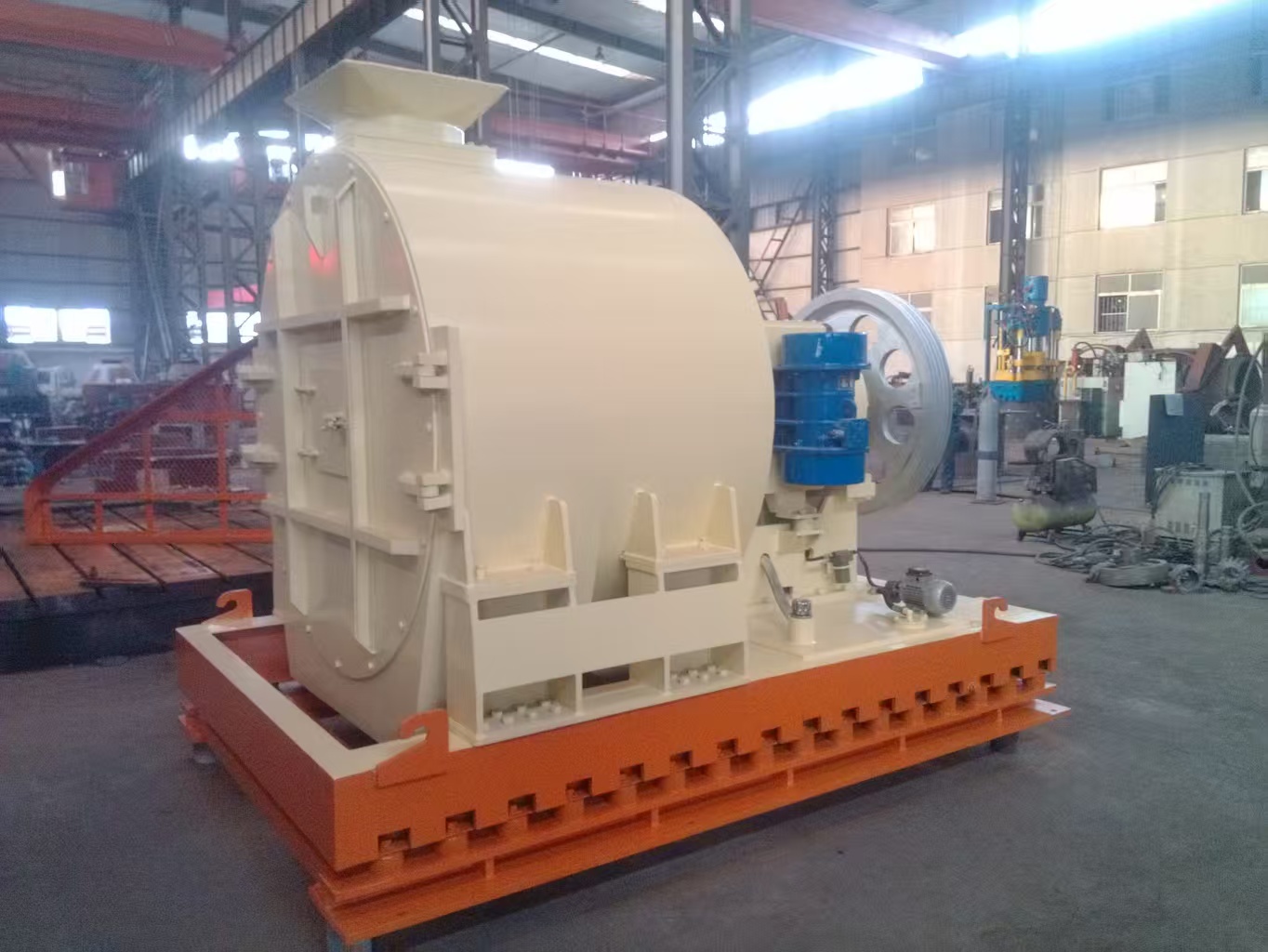
WZY Series Dual-Mass Horizontal Vibrating Centrifugal Dehydrator
-
WZL Series Horizontal Vibrating Centrifugal Dehydrator
-
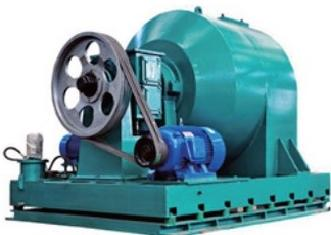
TWZ Series Horizontal Vibrating Centrifugal Dehydrator
-
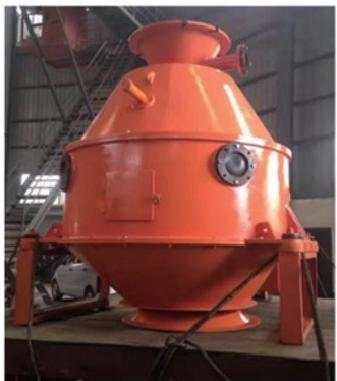
LLS-900 Sludge Centrifugal Dehydrator
-
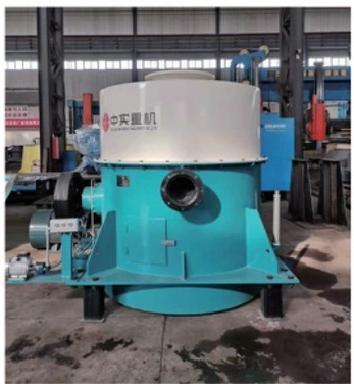
ML Series Coal Slurry Centrifugal Dewatering Machine
-
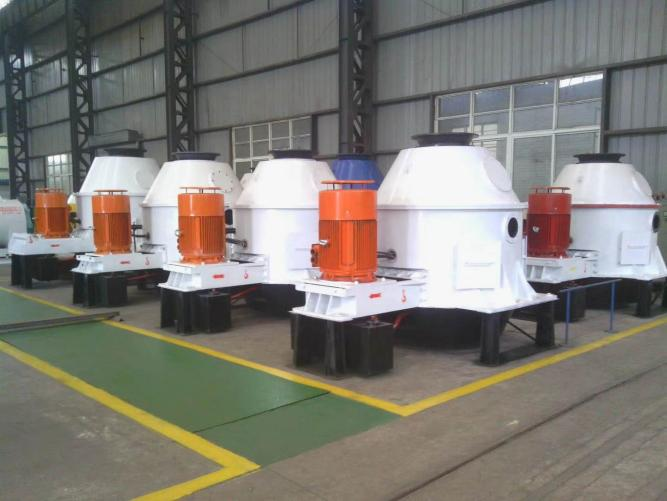
LL Series Vertical Centrifugal Dehydrator
Flotation machine
Filter machine
Grading Machine
Mining Auxiliary Equipment
Gear Reducer Series
-
Vertical mill gearbox
-
Special reducer for scraper machine
-
Industry-specific gear reducer
-
Bevel Gear Reducer
-

Cylindrical Gear Reducer
-
Planetary Gear Reducer
-
Parallel shaft reducer
-
Industrial General Gearbox Series
-
Helical Gear - Bevel Gear Reduction Motor
-
Helical Gear Reduction Motor
-
Planetary Gear Reducer
-
Cylindrical Gear Reducer
Category One
Category Two
Crusher Series
Rotary Crusher

Jaw Crusher
Impact Crusher
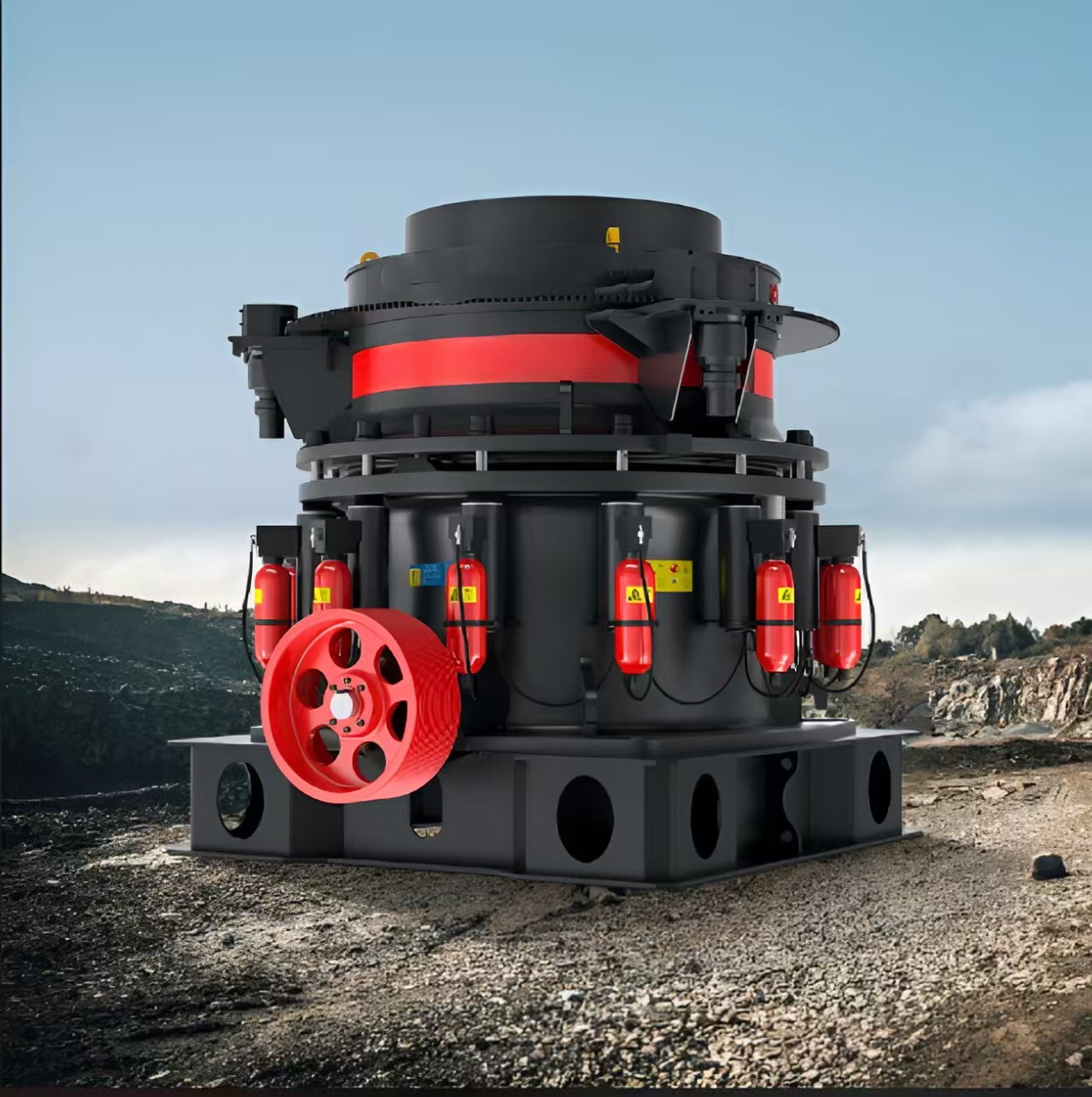
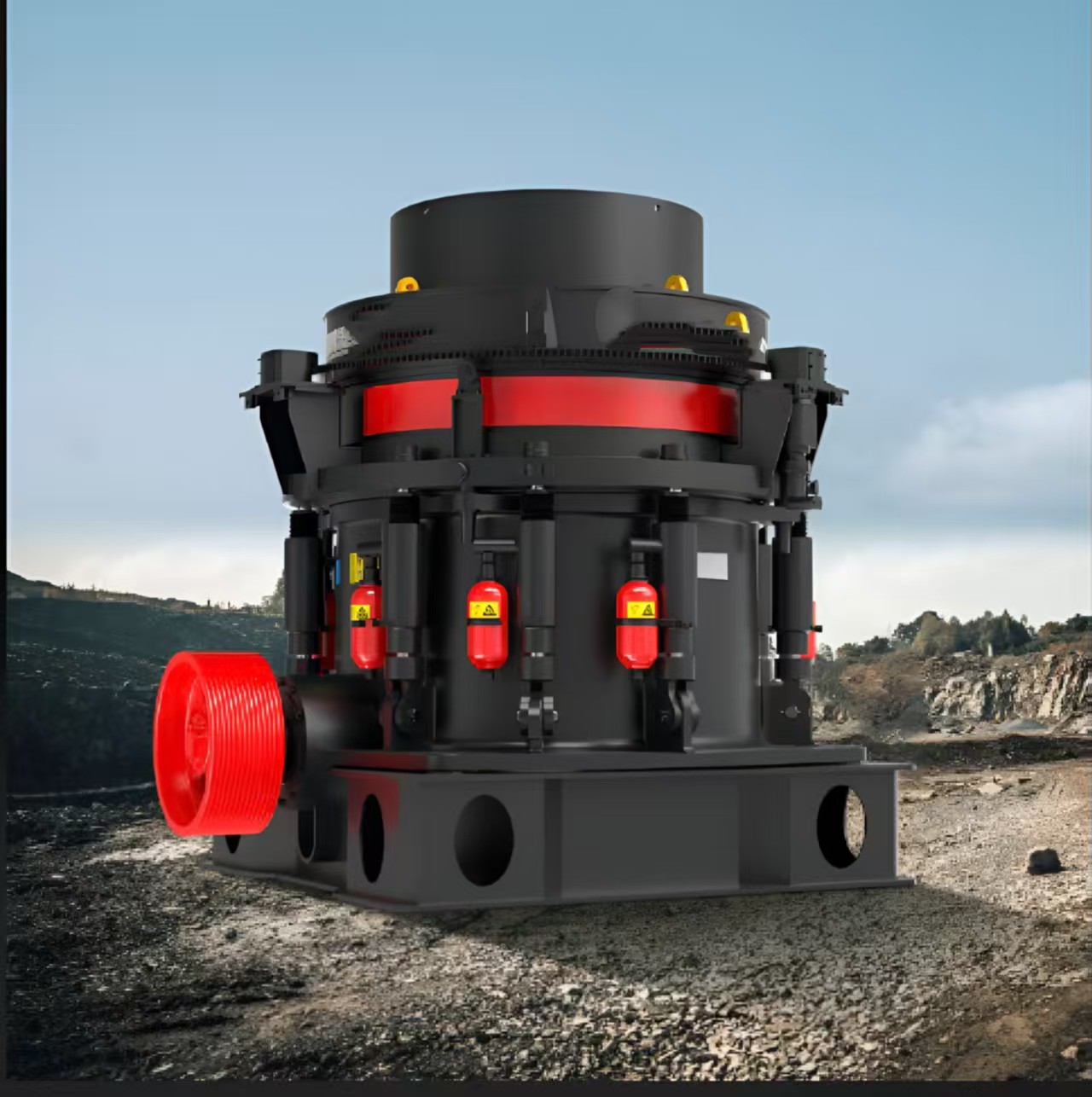
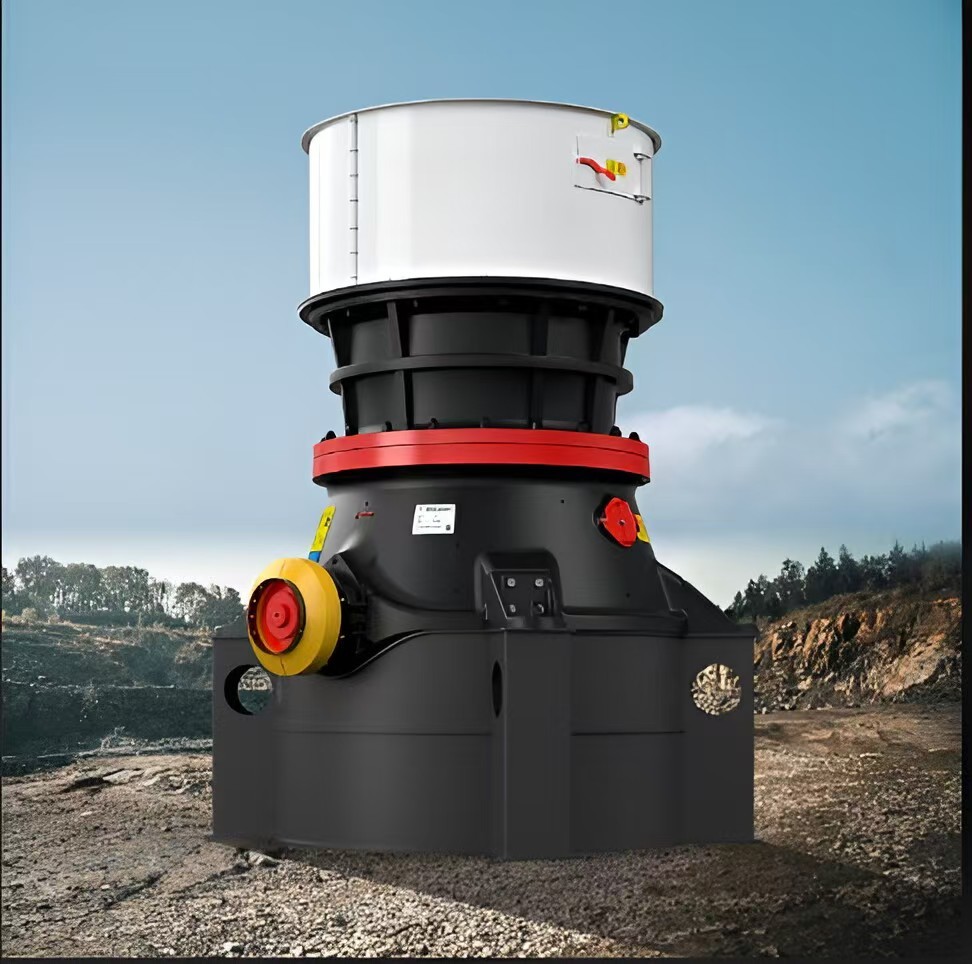
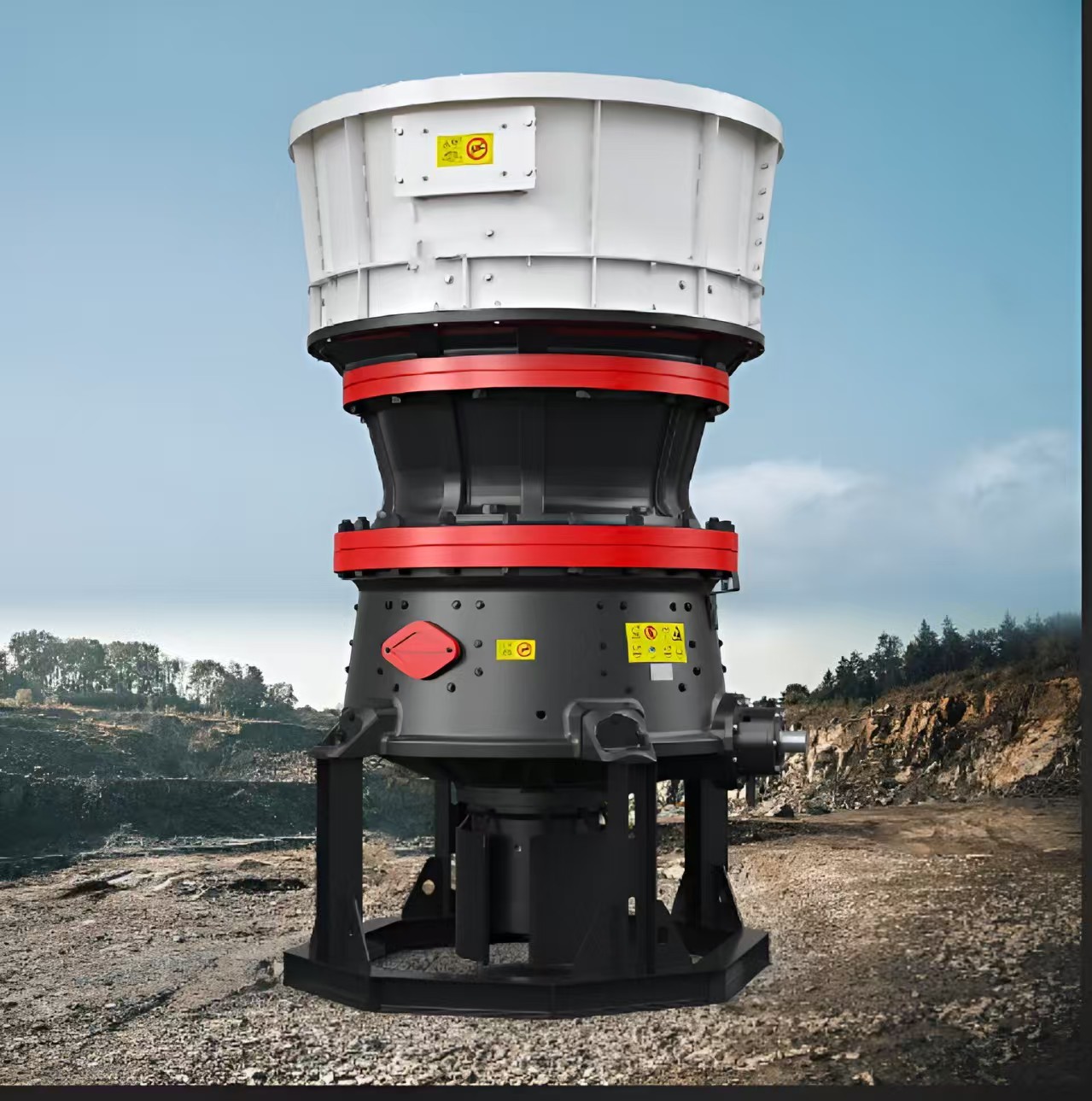
Cone Crusher
Ball Press Machine
High-pressure briquetting machine
Medium and High Pressure Briquetting Machine
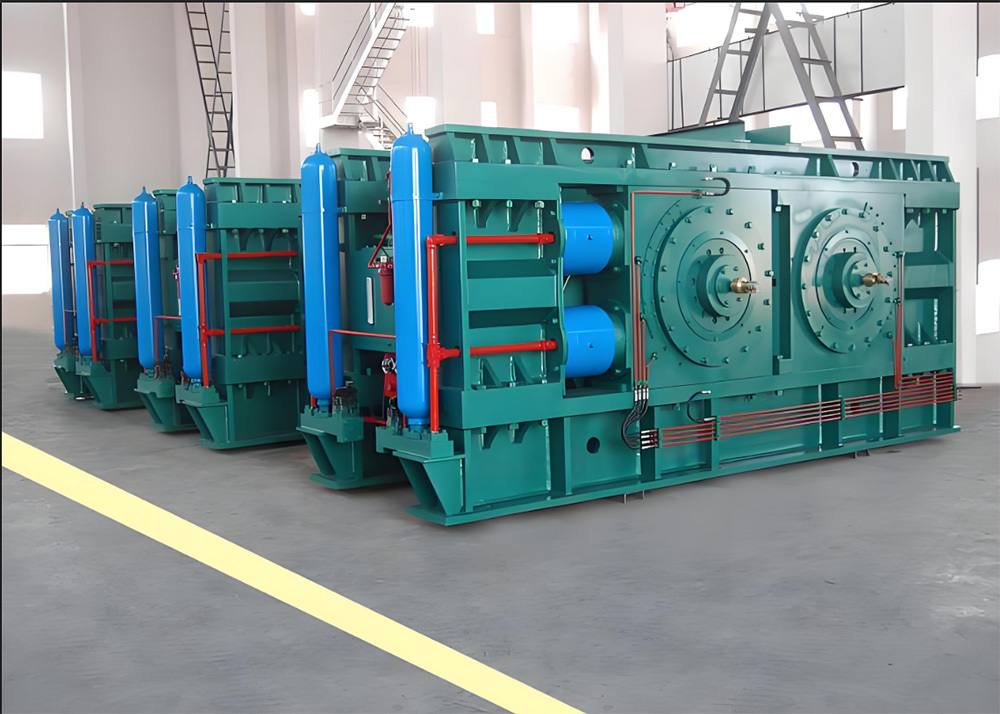
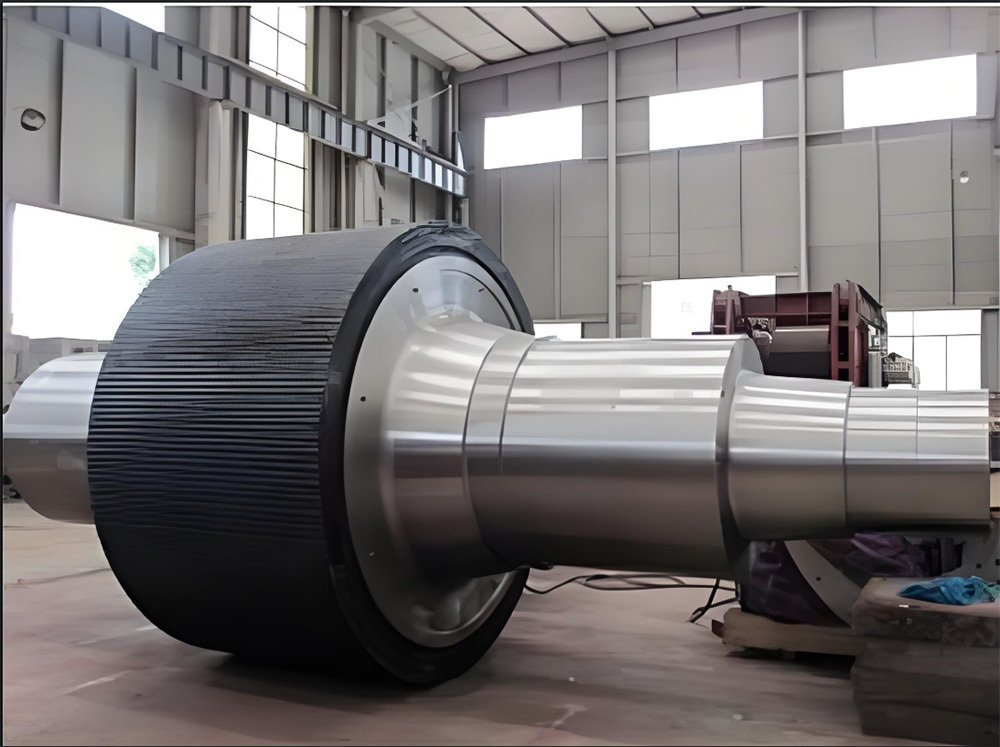
Rotary kiln
-
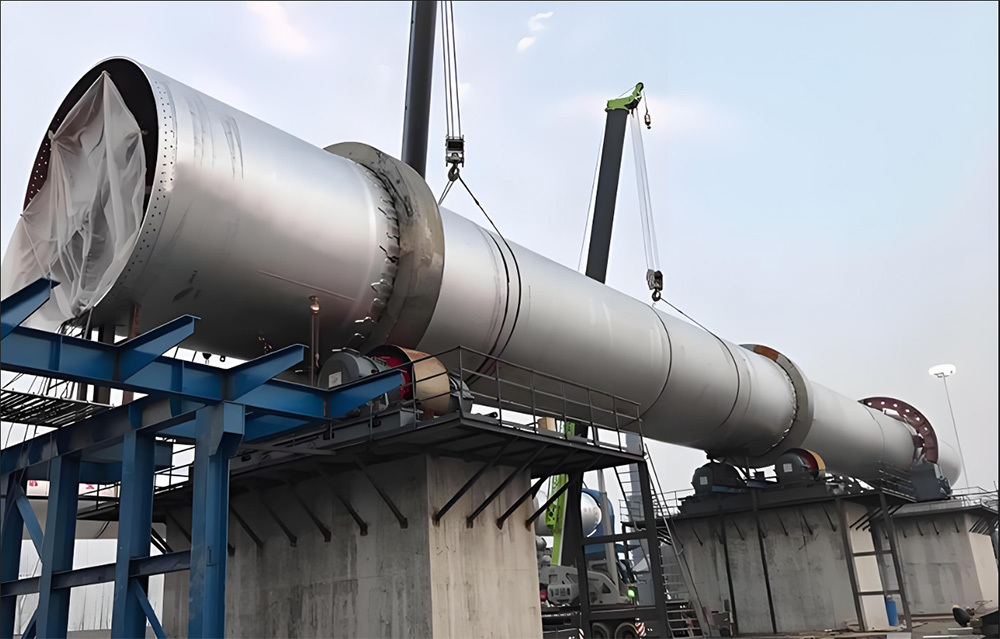
Cement kiln (rotary kiln)
-
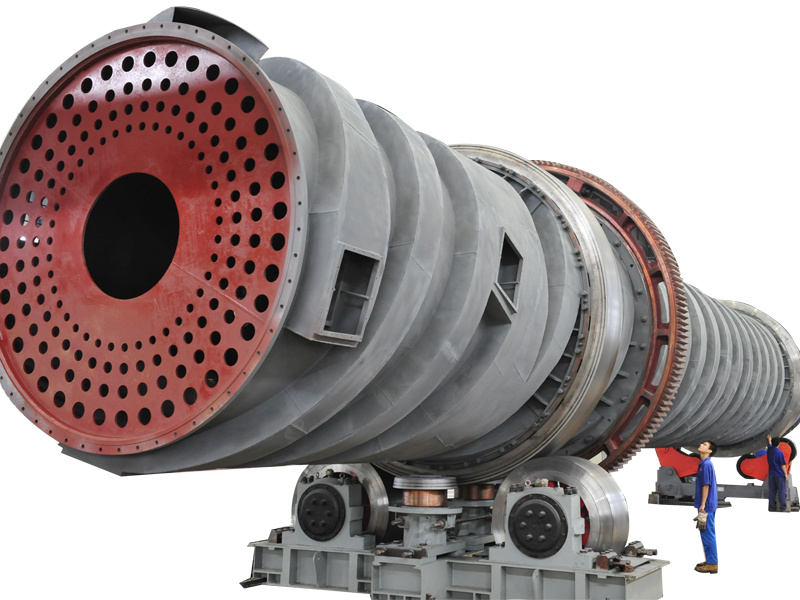
Light gray kiln (self-alkali steam calcination kiln)
-
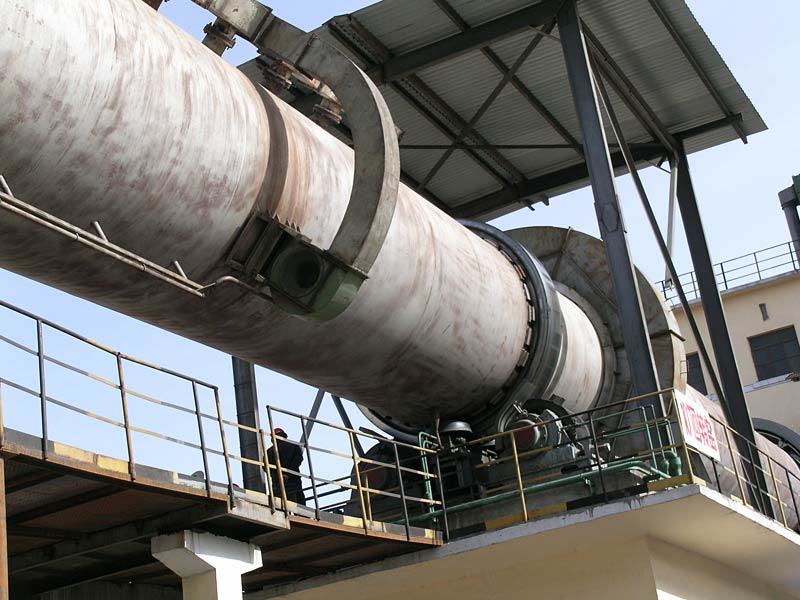
Chemical kiln
-

Oxidation Cooling Kiln
-
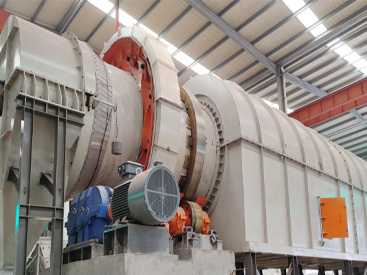
Oxidative roasting rotary kiln (oxidation kiln)
-
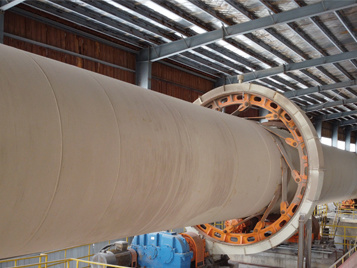
Lithium Carbonate Rotary Kiln
-
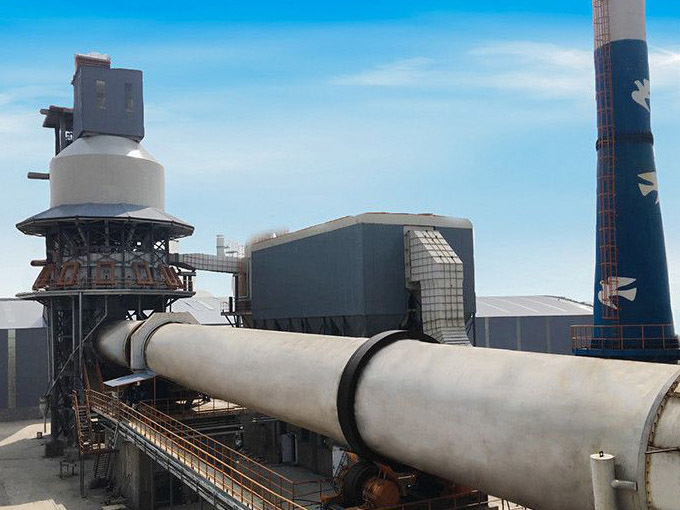
Lime Rotary Kiln
-
Metal Magnesium Rotary Kiln
-

Architectural Lightweight Aggregate Rotary Kiln
-
Cement Rotary Kiln
Cast and forged parts
Large castings

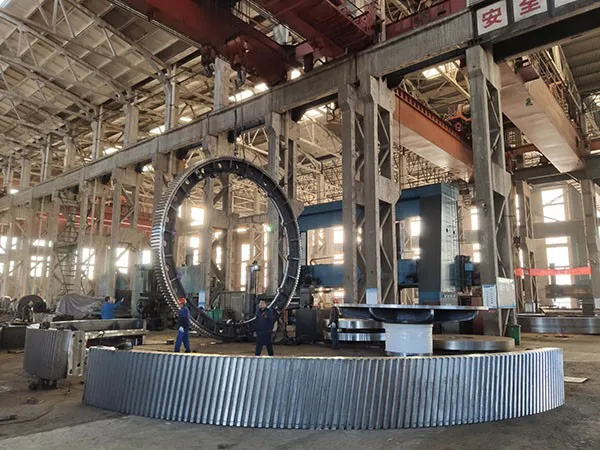
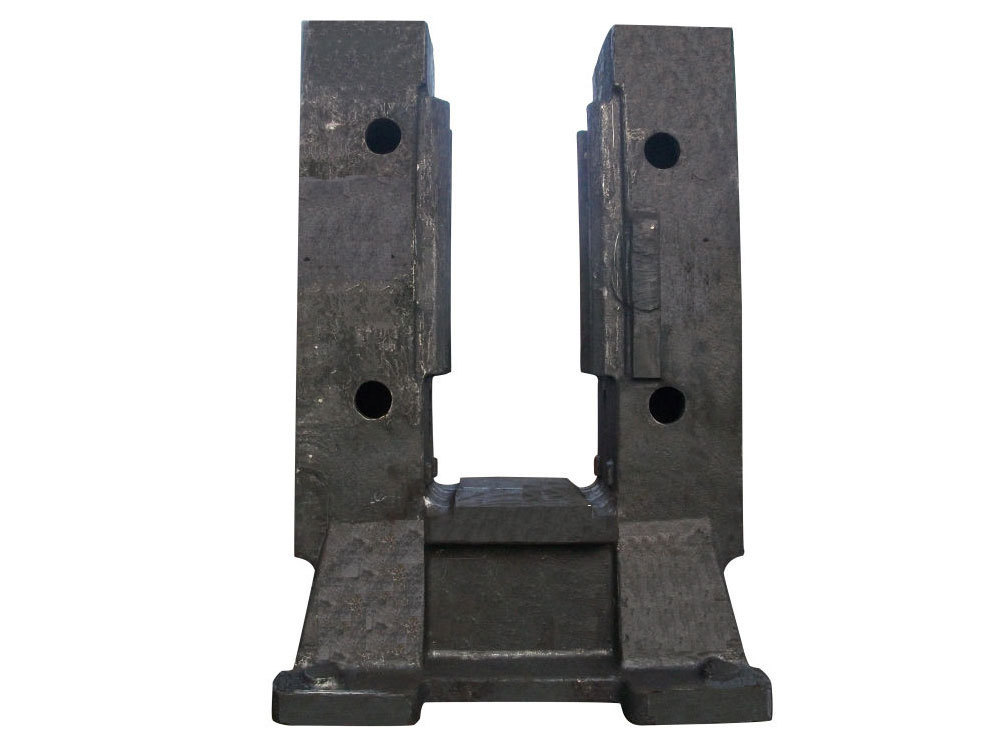
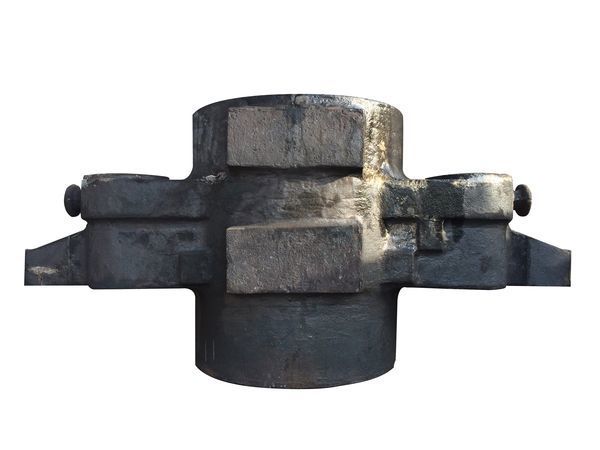
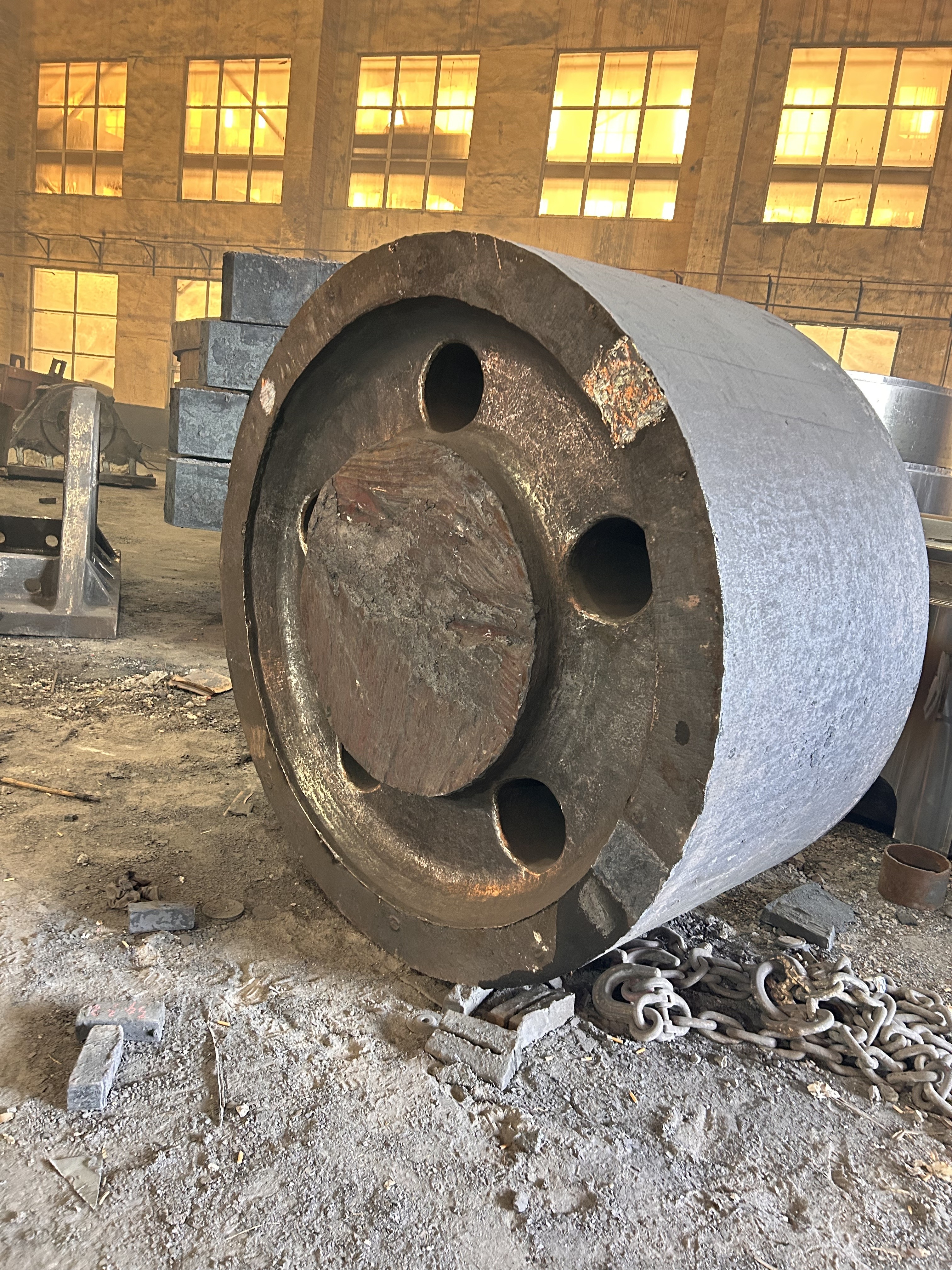
Large Forgings

Transmission Accessories

Gear Coupling
Gear



Electro-hydraulic control system
Automation Control
-

GPRS Remote Expert Diagnostic System
-
Metallurgical Electrical Control Equipment
-
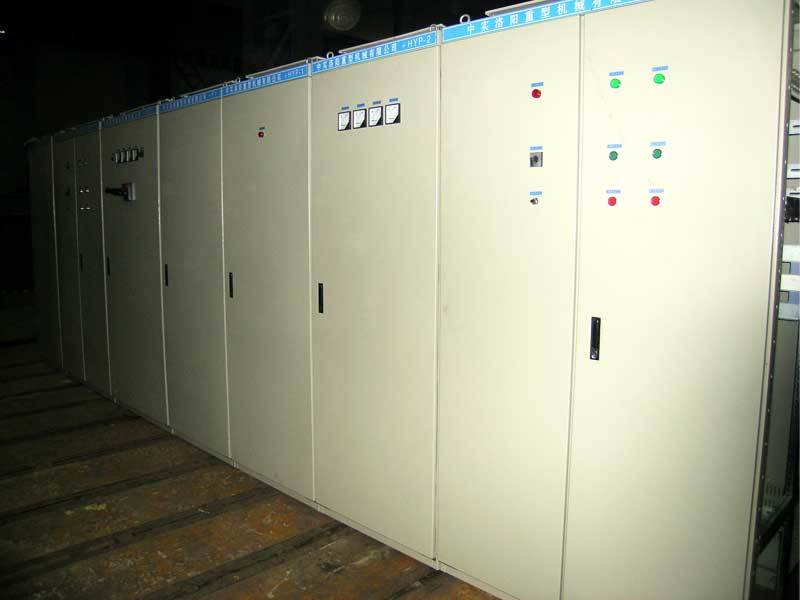
Automated Control System for Mineral Processing and Coal Washing
-
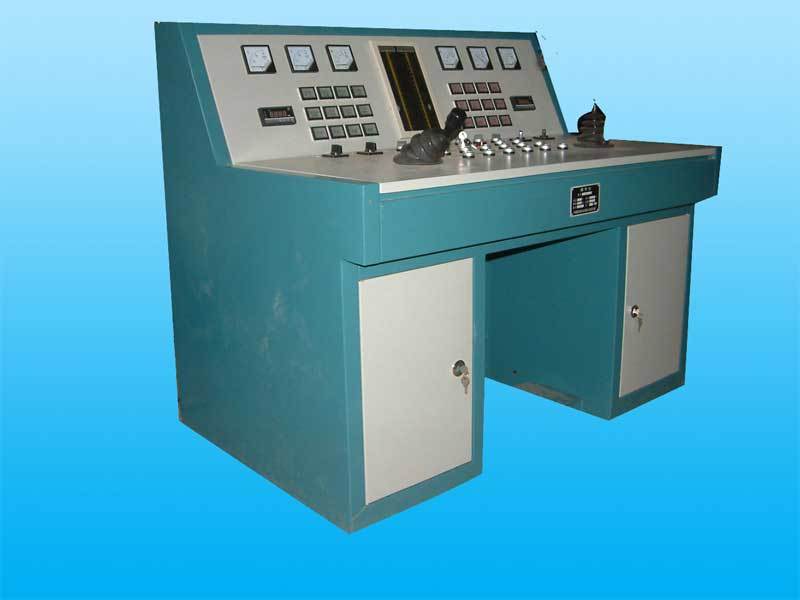
Local System Upgrade
-
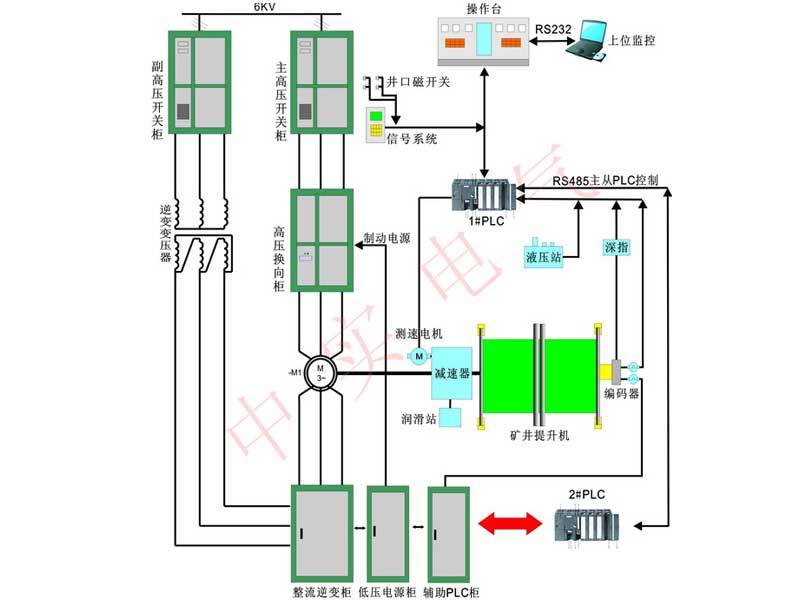
Doubly-Fed Variable-Frequency Electric Control System
-
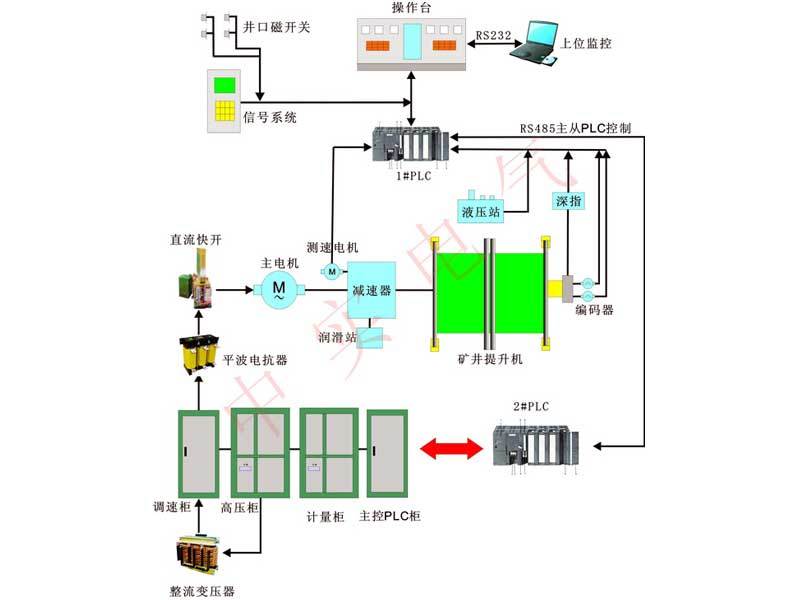
Fully digital DC control system
-
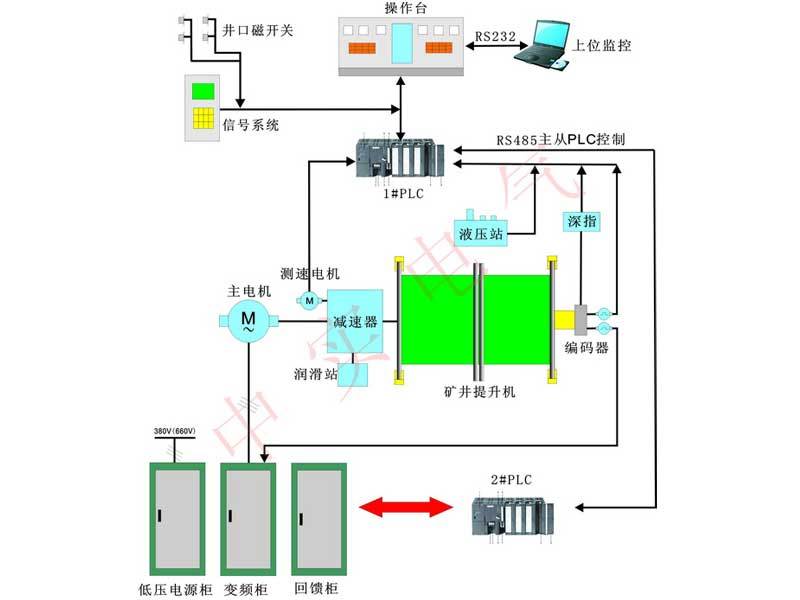
Fully digital low-voltage variable frequency feedback
-
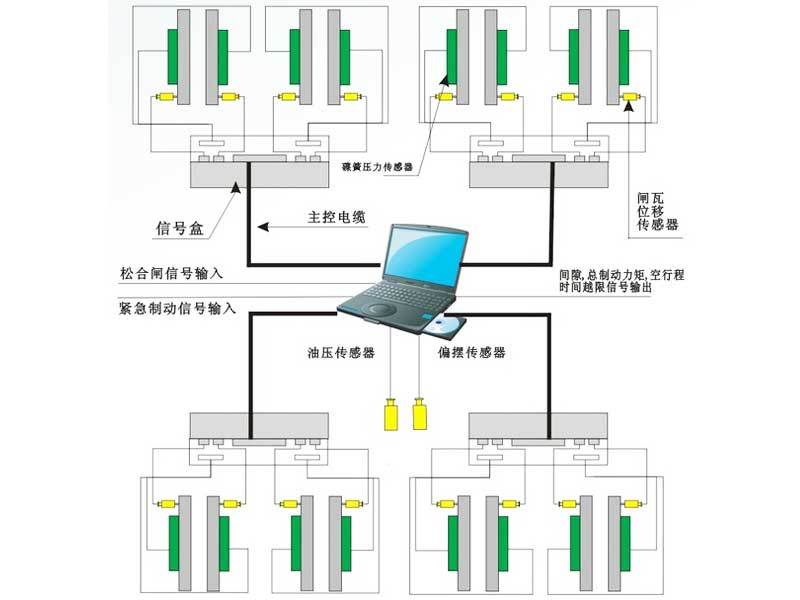
Disc Brake Online Inspection System
-
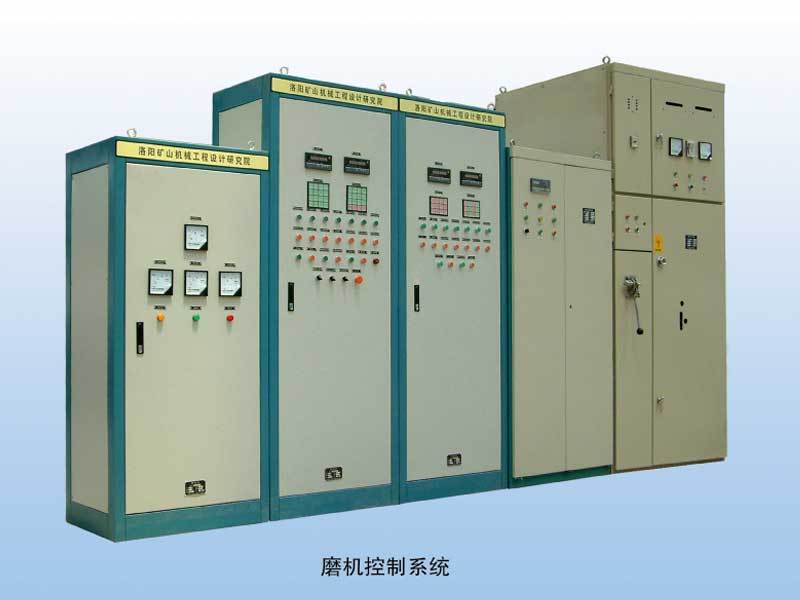
Rotary Kiln Control System
Hydraulic System
-
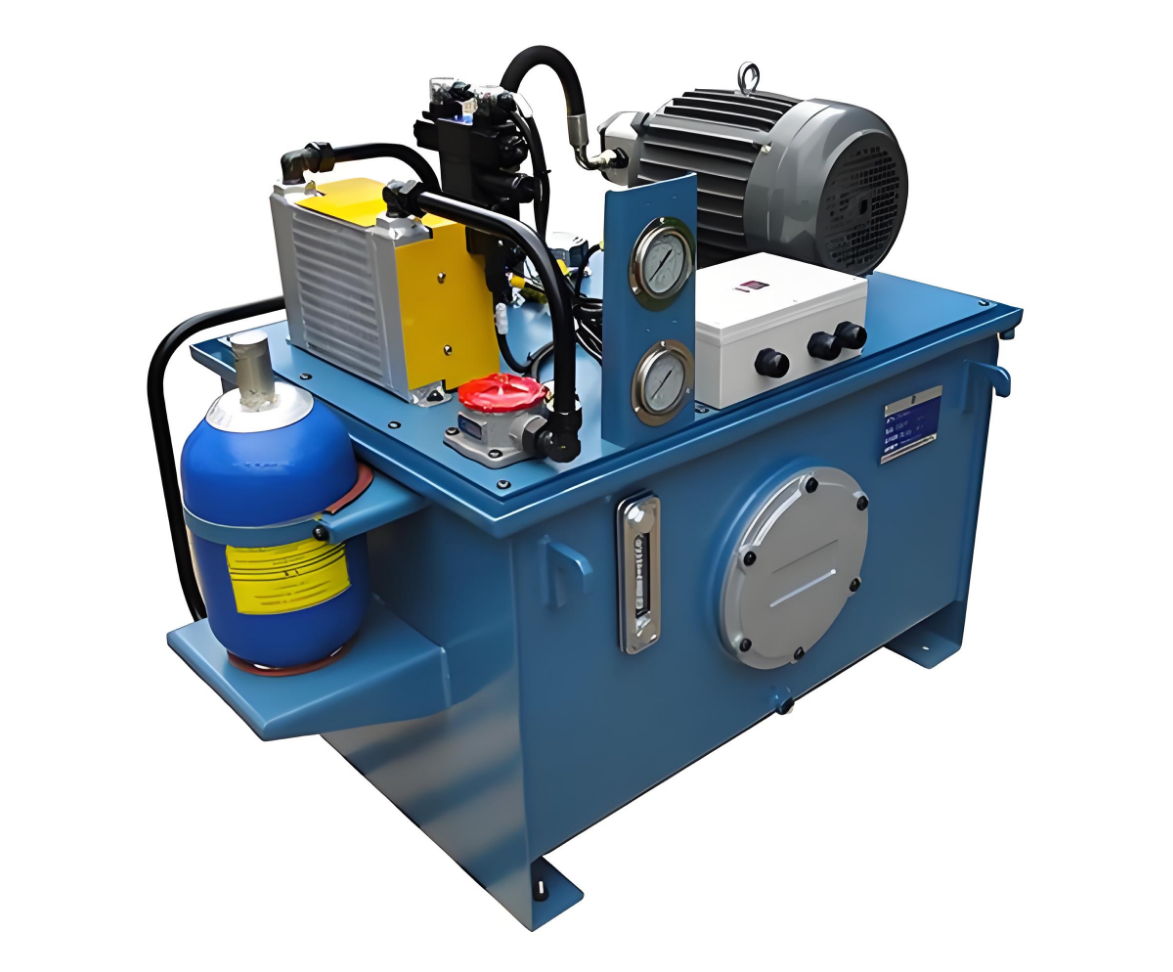
Hydraulic System
-
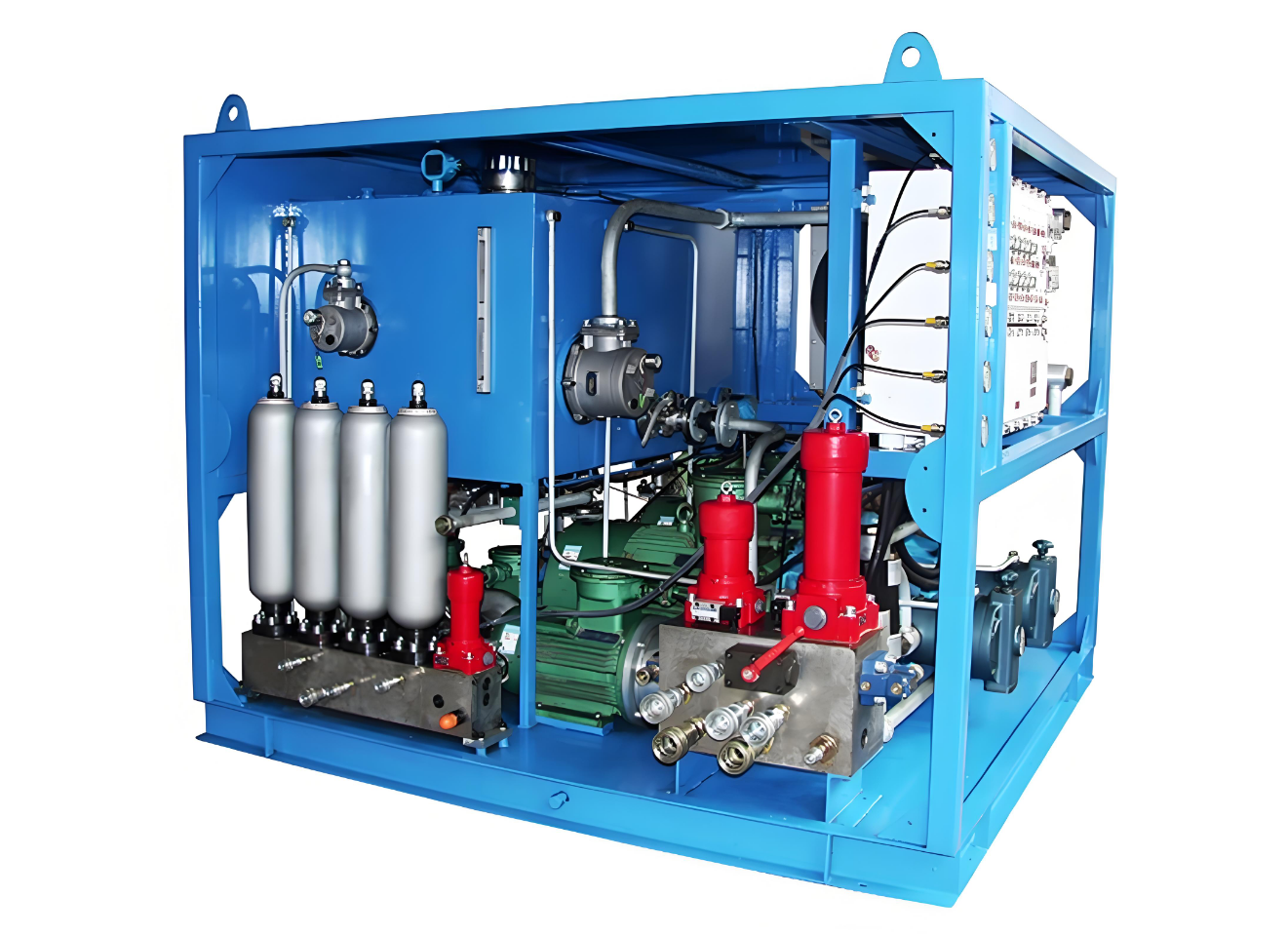
Hydraulic System
-
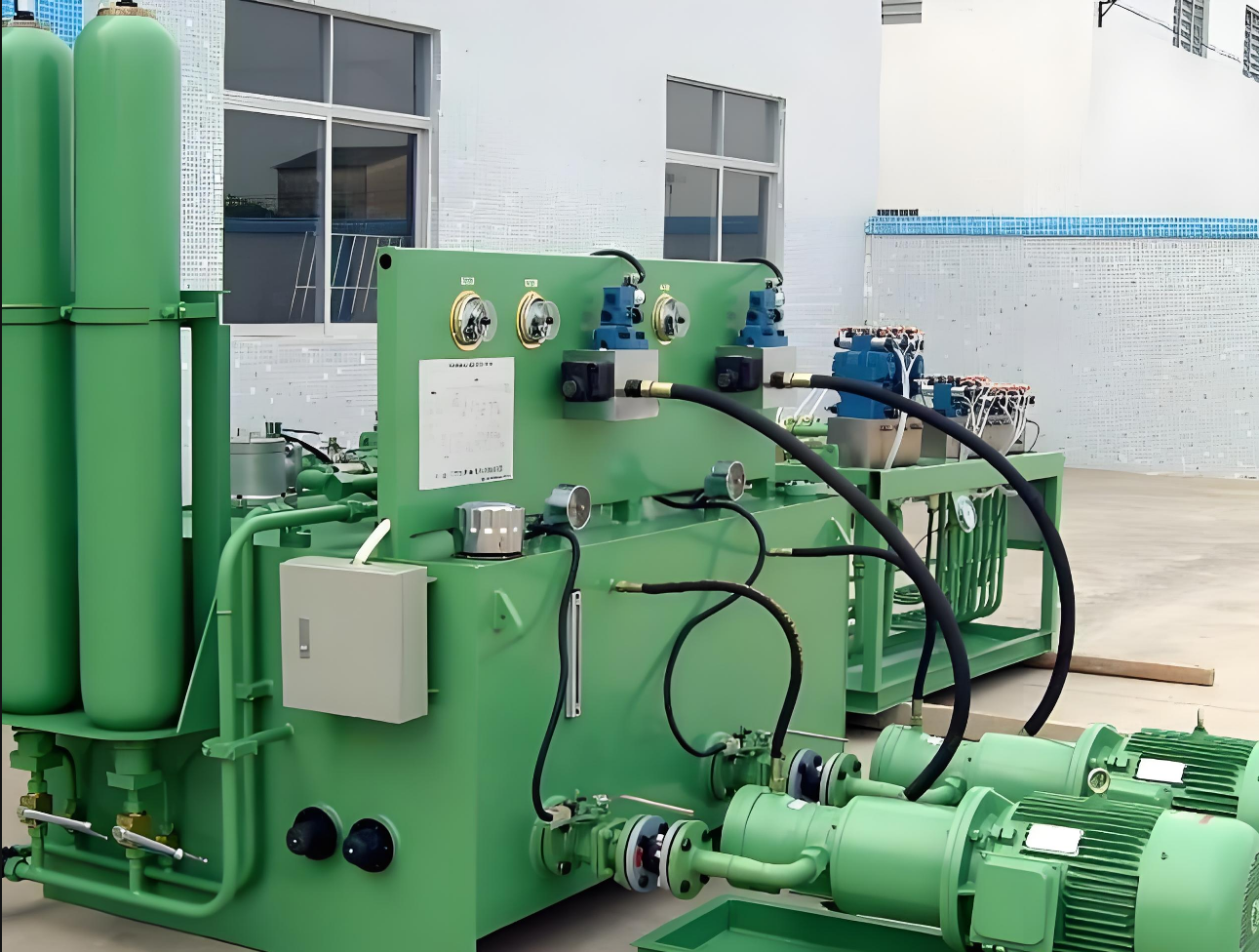
Hydraulic System
-
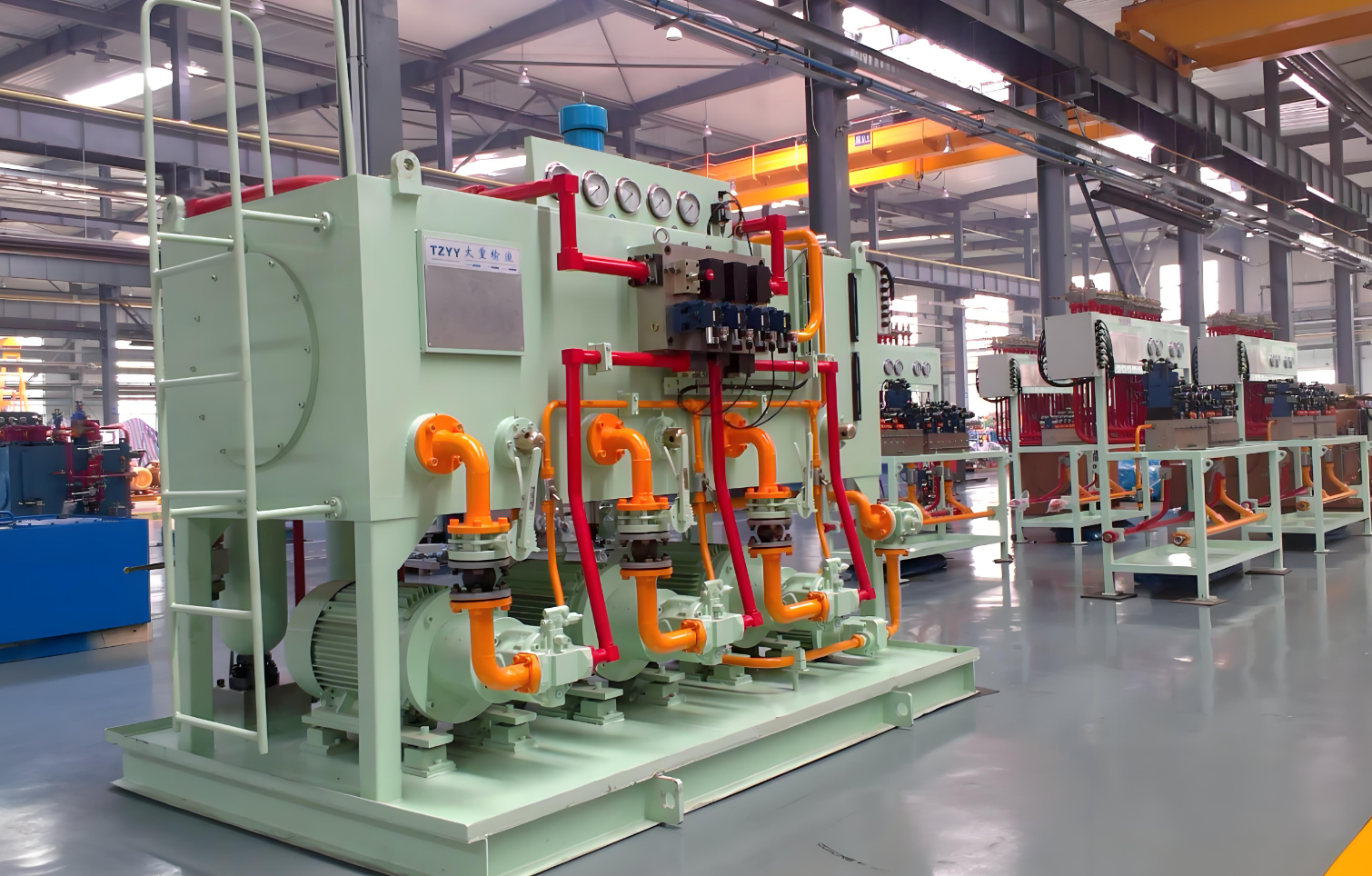
Hydraulic System
-
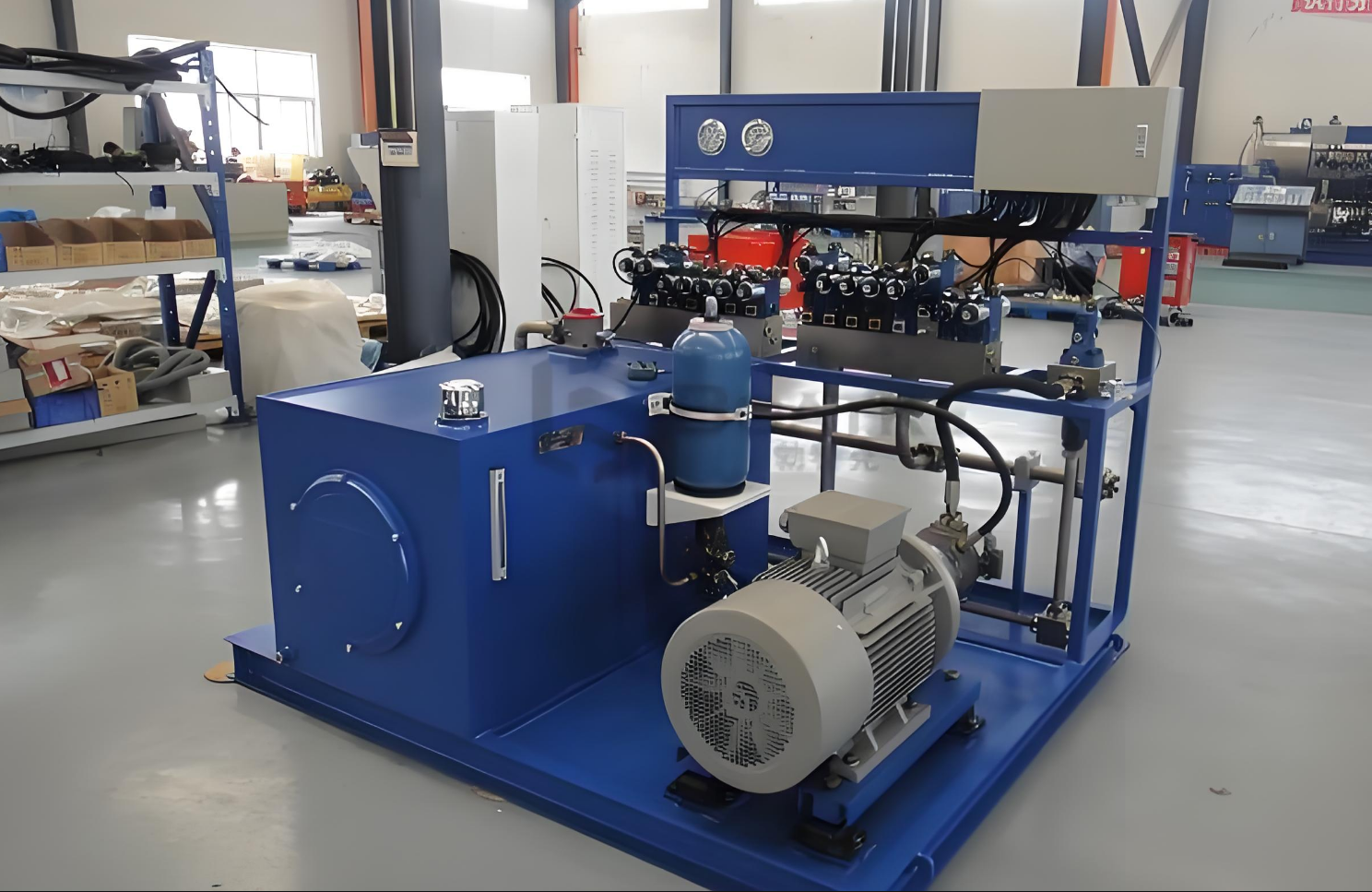
Hydraulic System
-

Hydraulic system
-
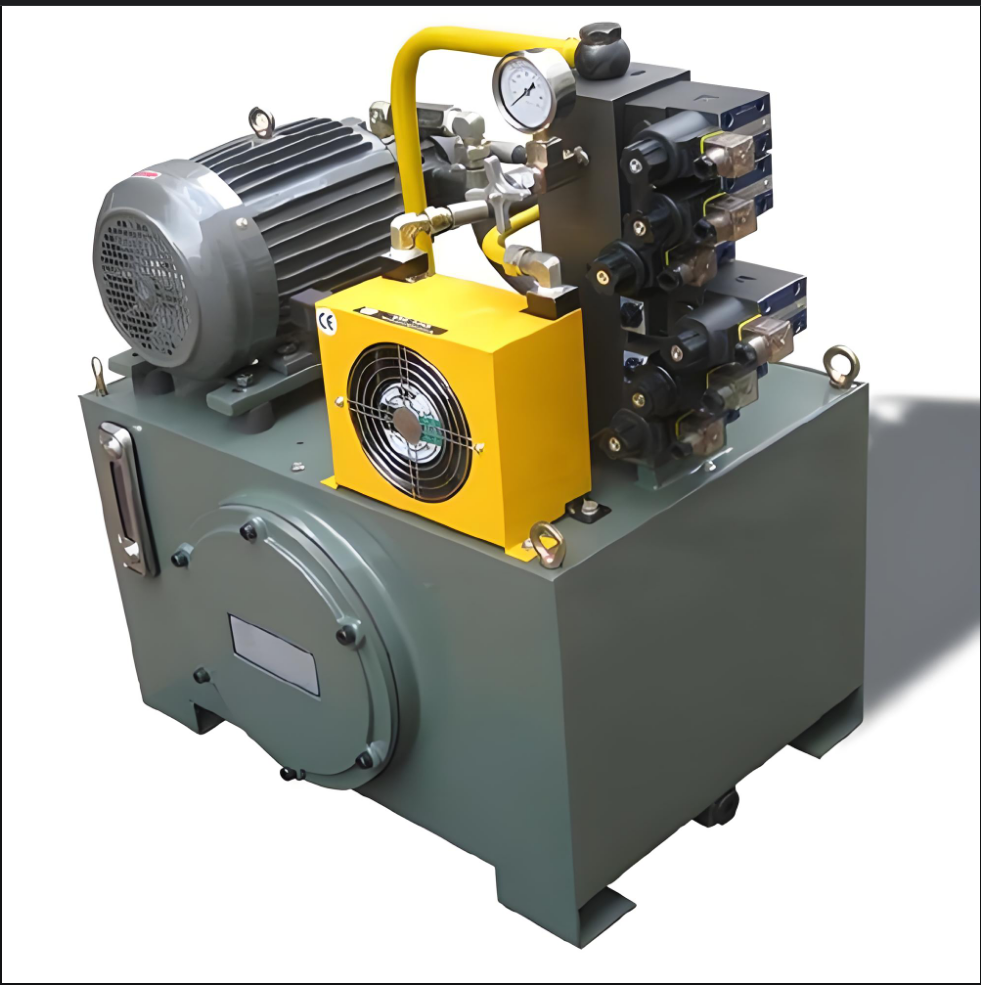
Hydraulic system
-
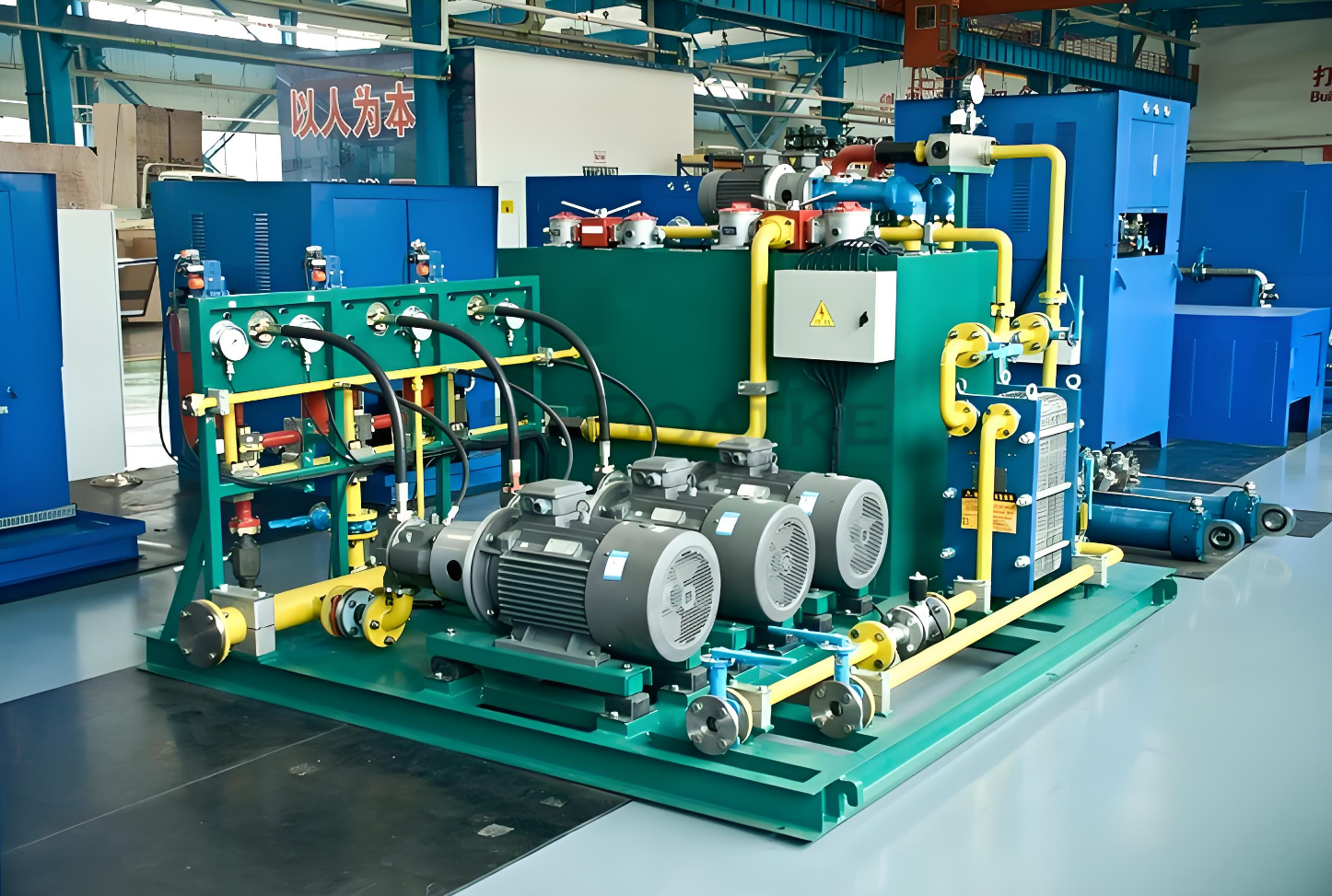
Hydraulic System
-
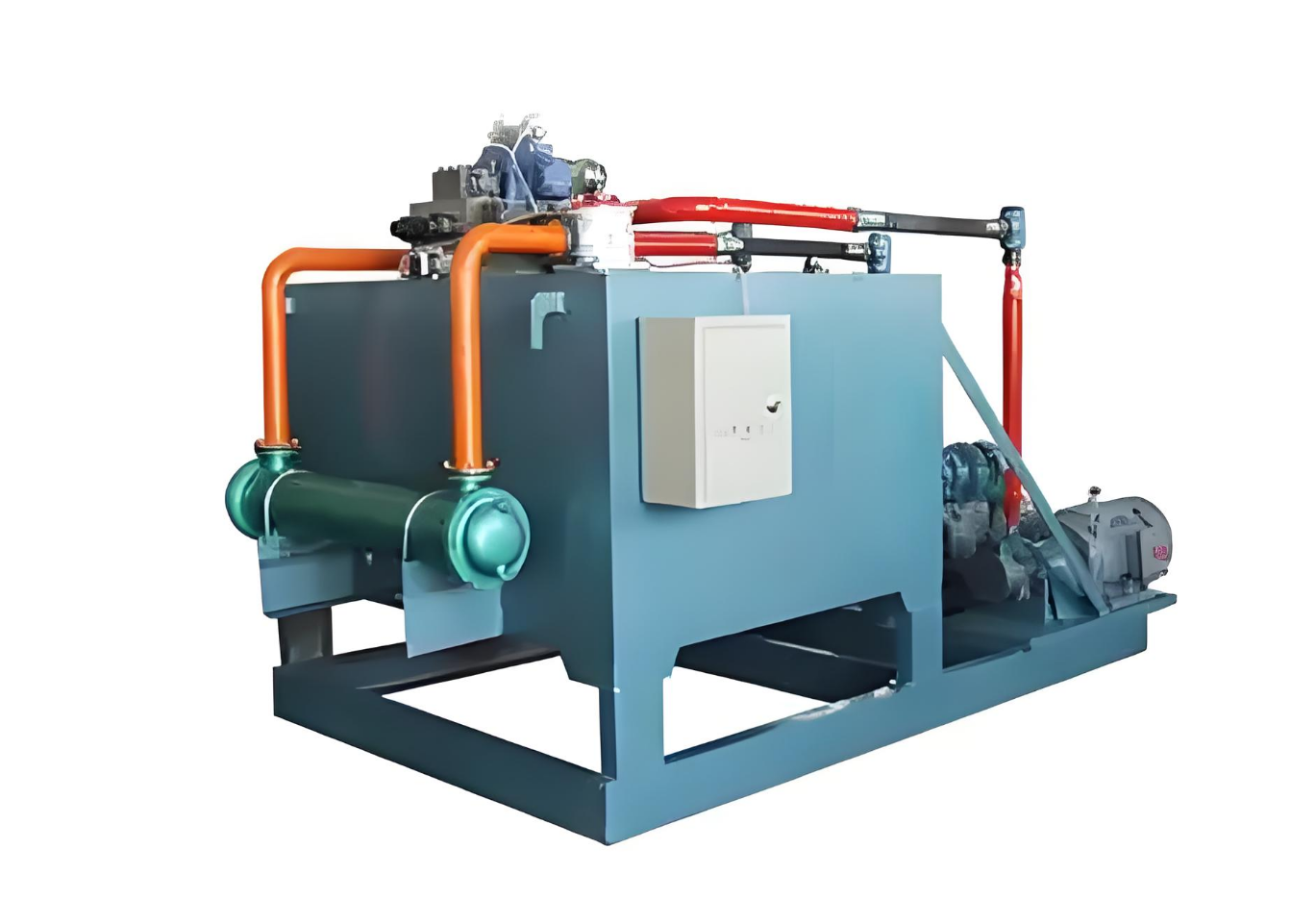
Hydraulic System
-

Hydraulic Station
-
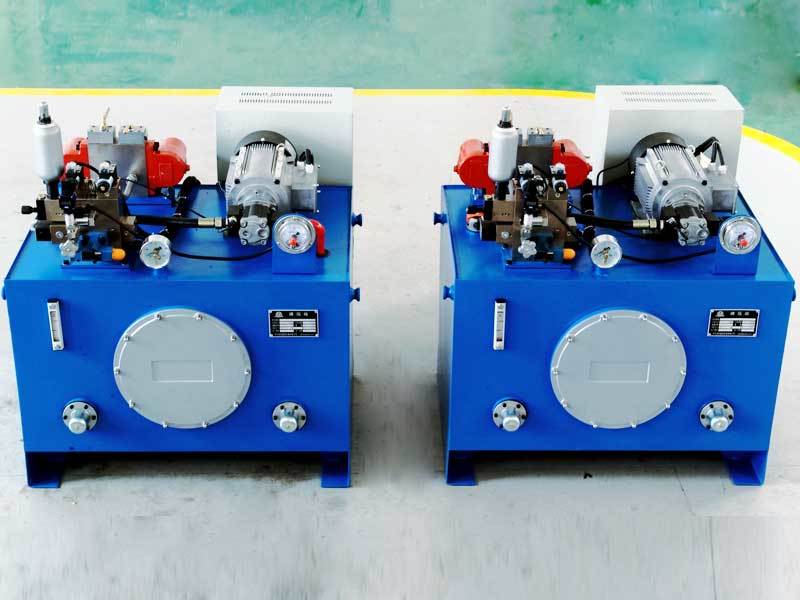
Variable-frequency servo hydraulic system
-

E119A/E119S, E118A/E118S Explosion-Proof Secondary Brake Hydraulic Station
-
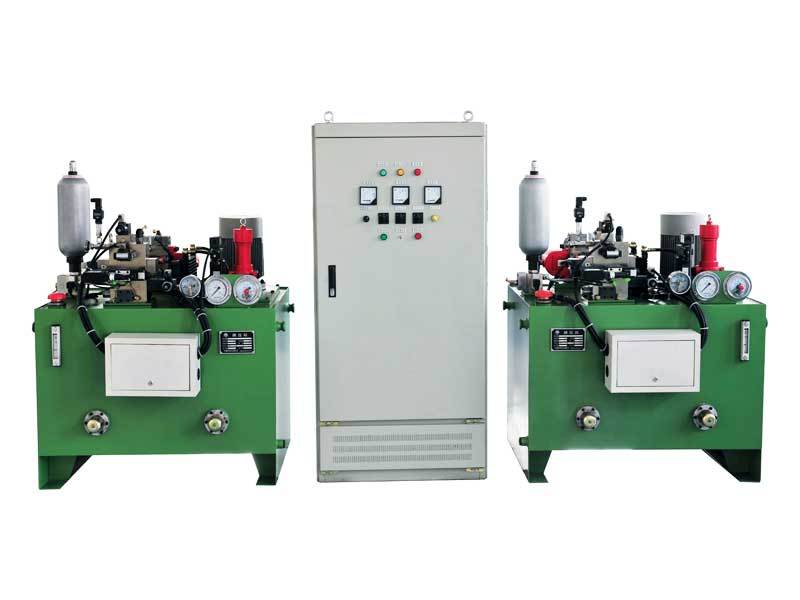
Constant-Deceleration Electro-Hydraulic Braking Control System
-
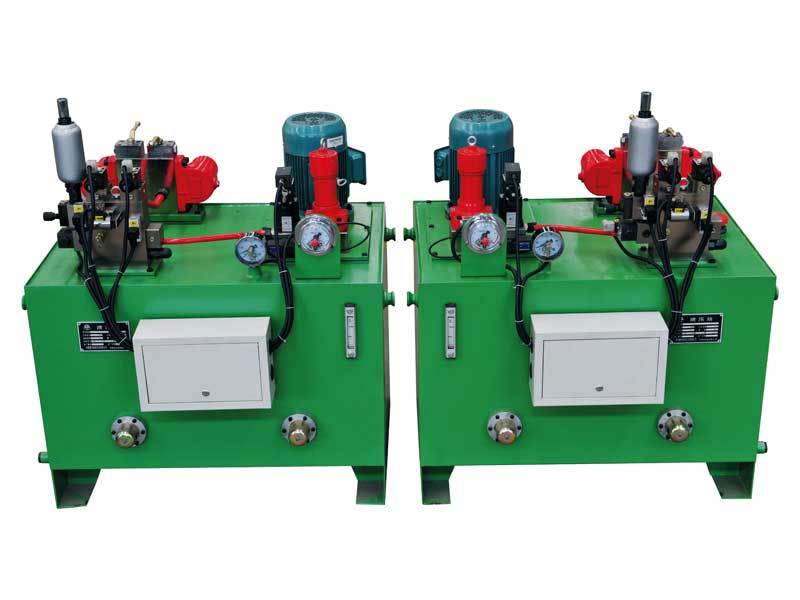
TE160/TE161/TE162/TE163 Insert-Mounted Control Dual-Stage Braking Hydraulic Station
Hydraulic cylinder

Other accessories
Large welded components
-
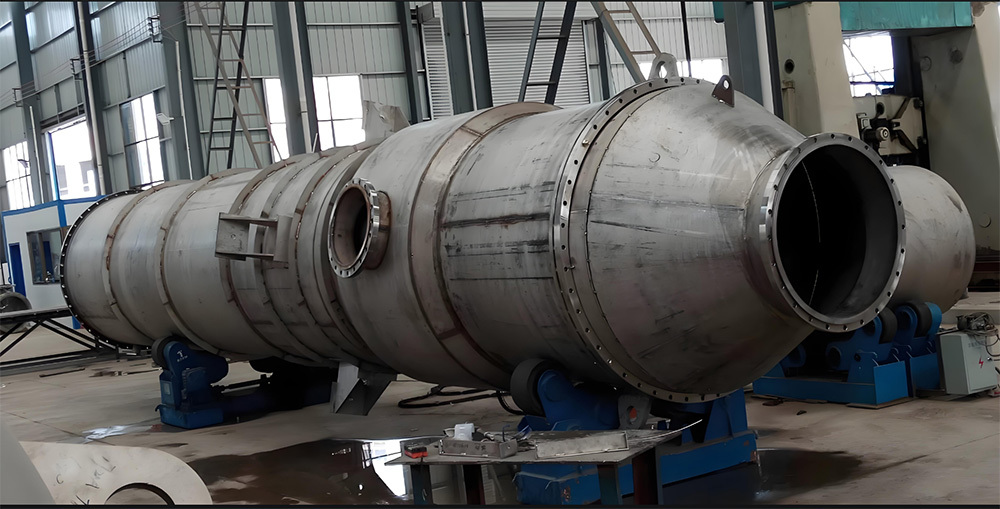
Large kiln body riveted and welded components
-
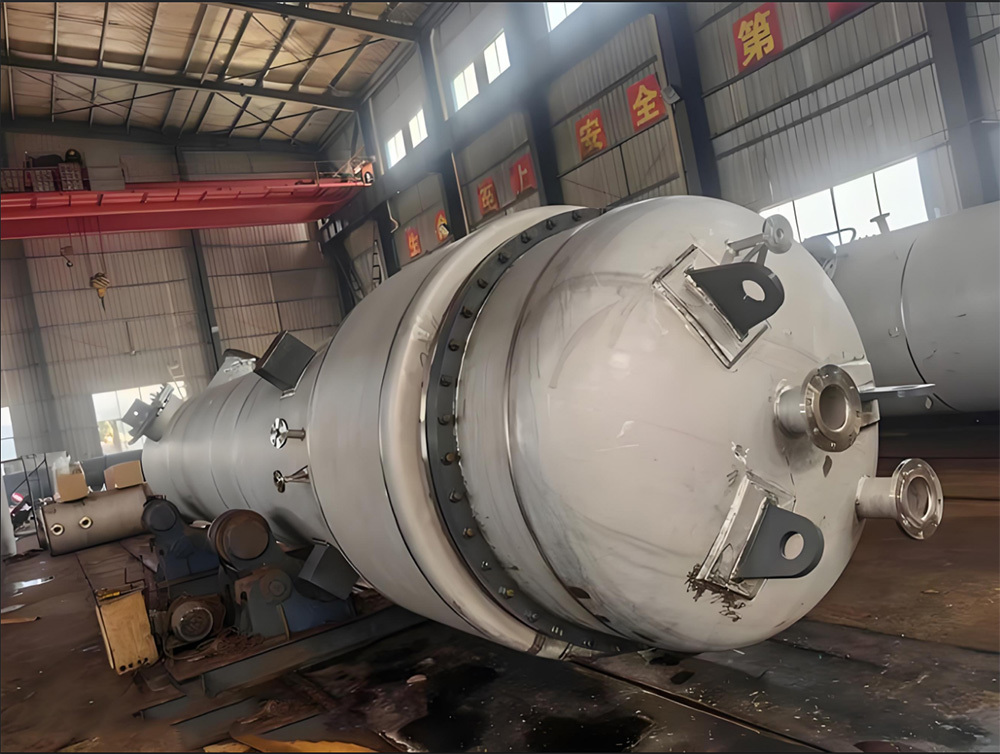
Large furnace riveted and welded components
-
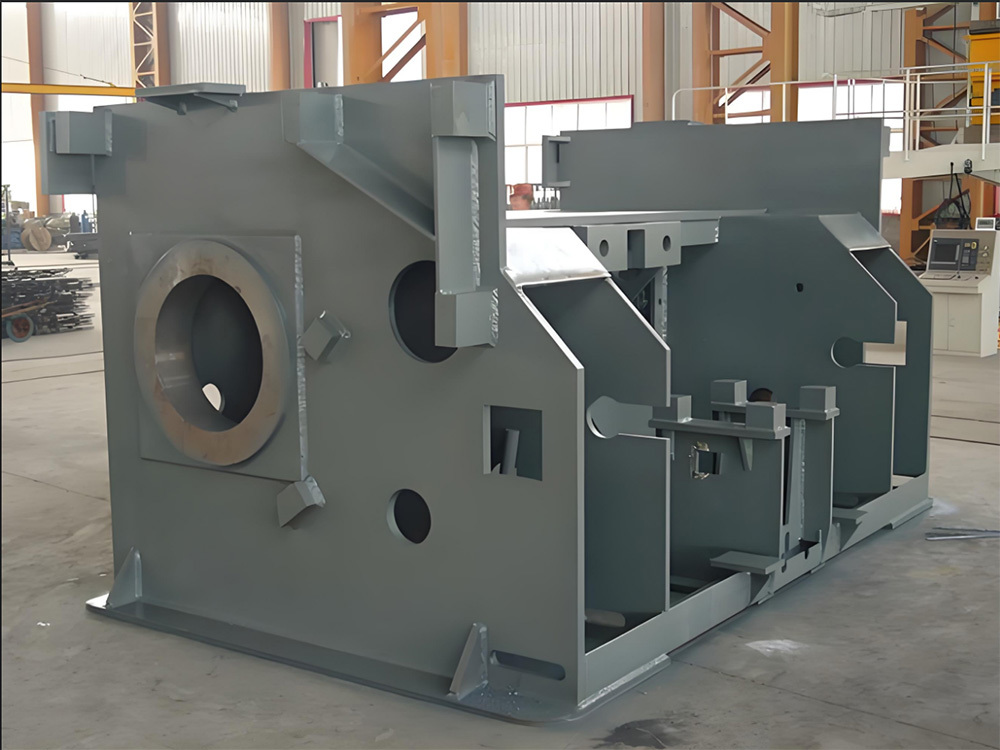
Large Riveted and Welded Components
-
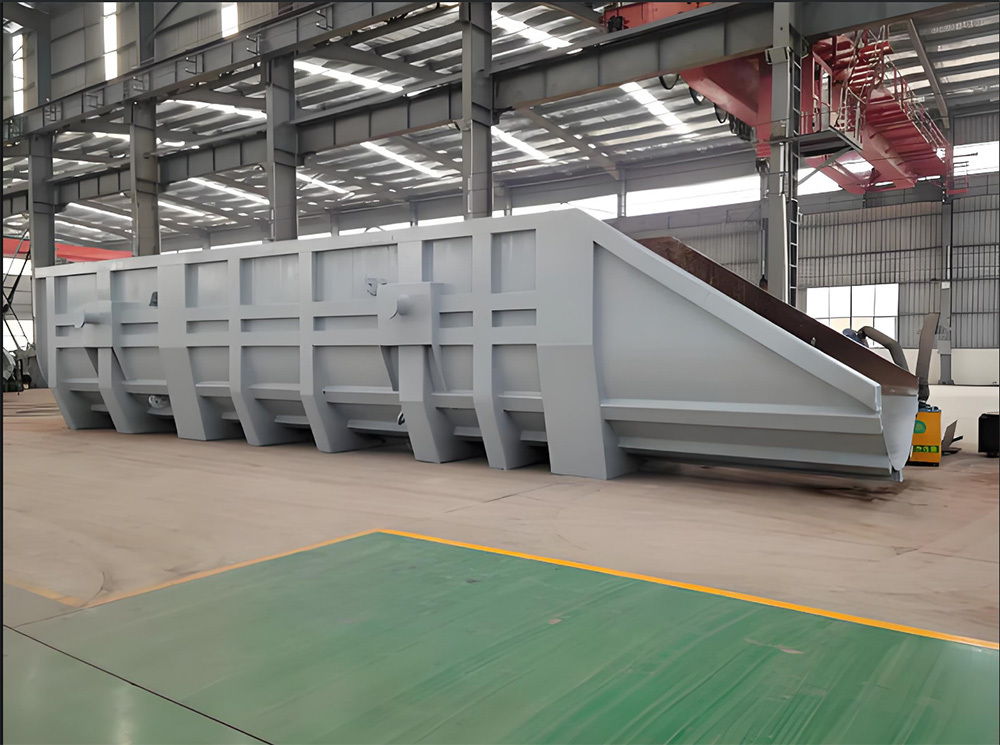
Large Riveted and Welded Components
-
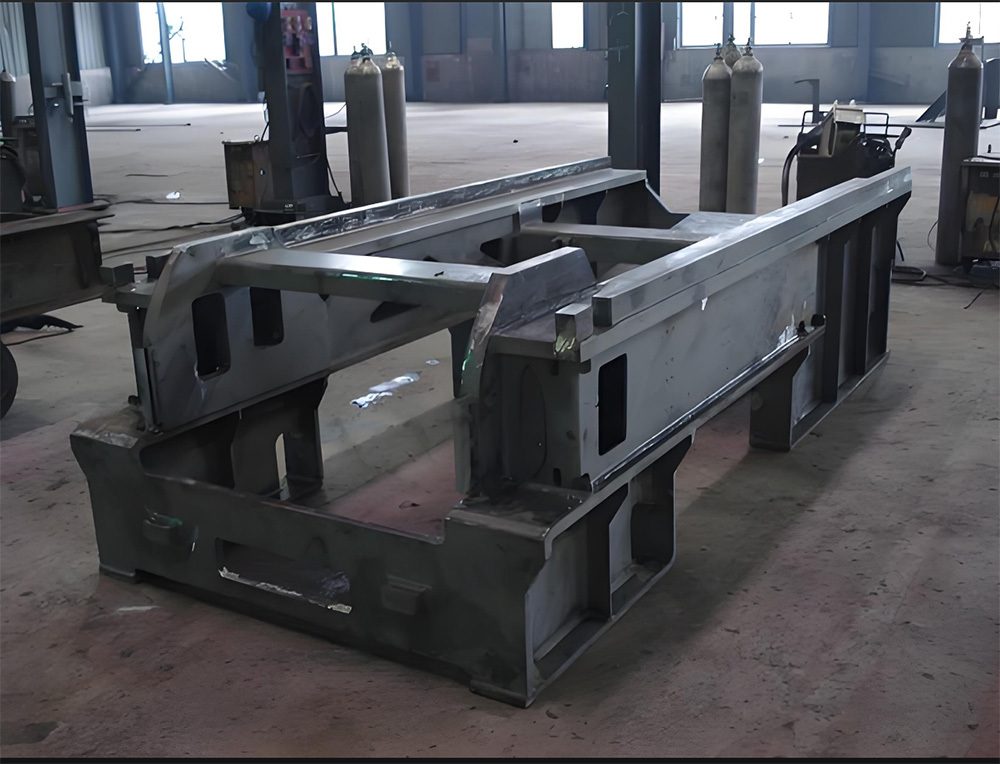
Large Riveted and Welded Components
-
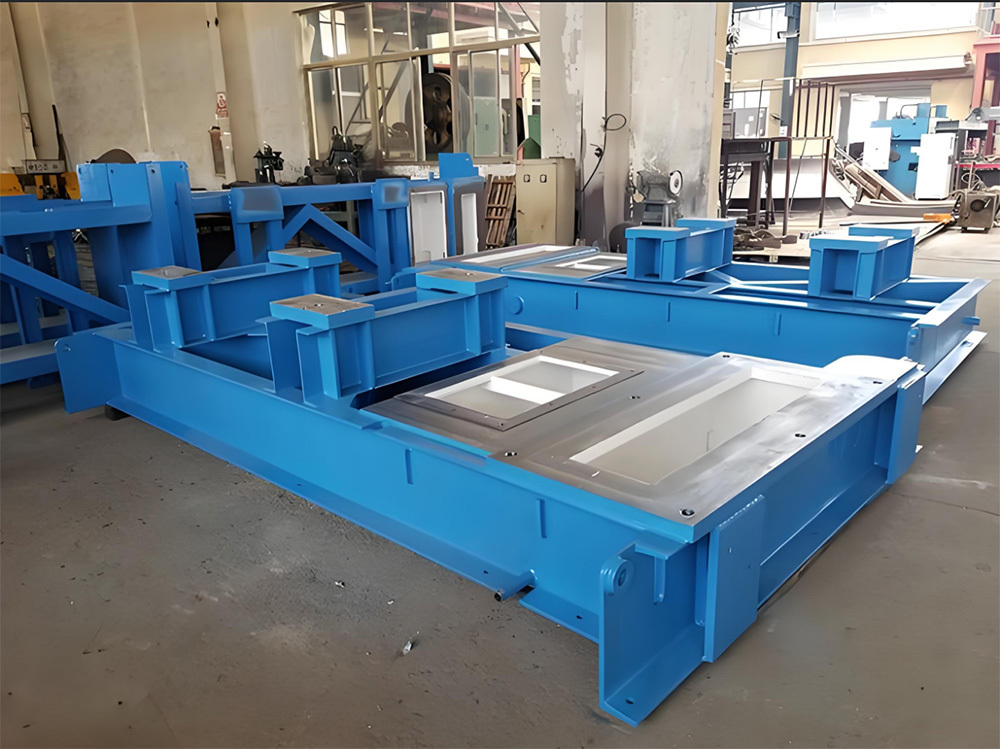
Large steel ladle riveted and welded components
-
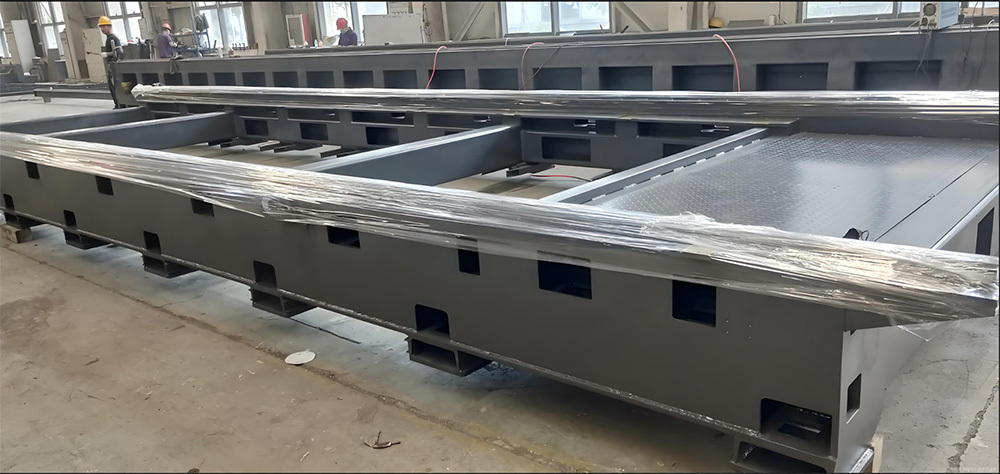
Large base
-
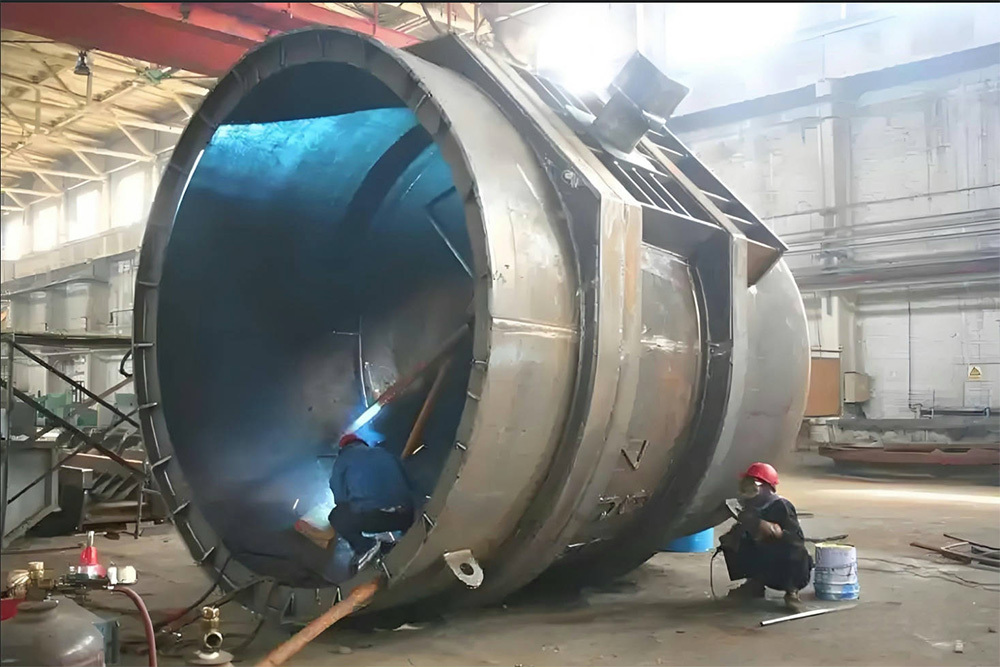
Large Riveted and Welded Components
-
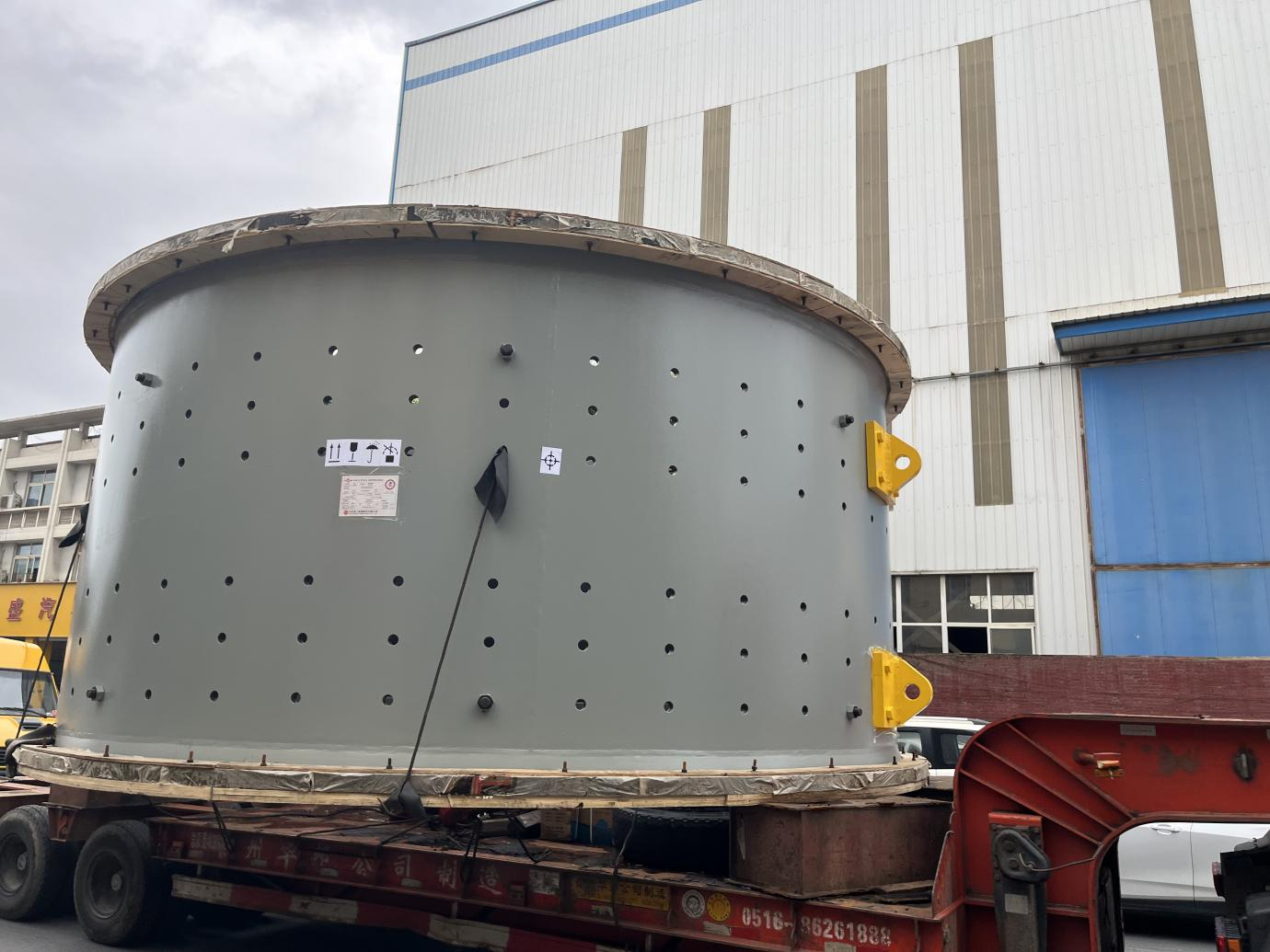
Ball Mill Cylinder
Wear-resistant products
-
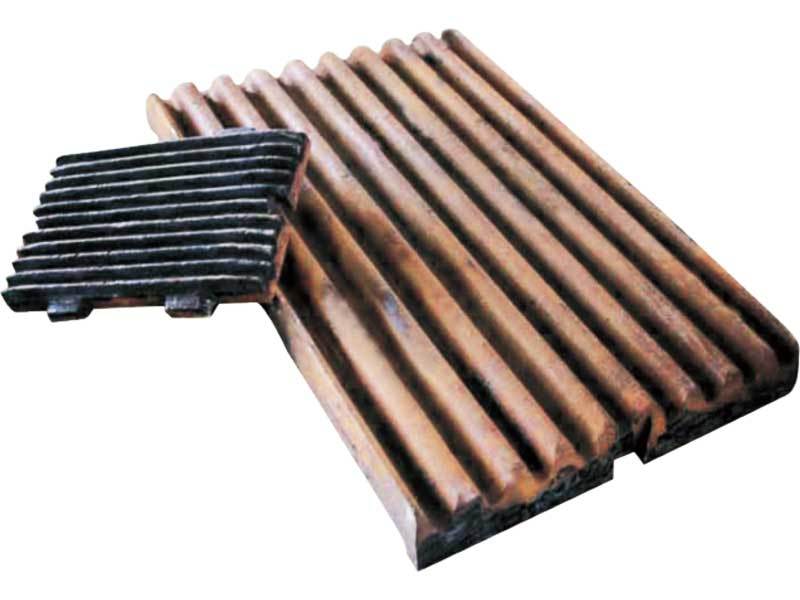
Eccentric Crusher Jaw Plate
-
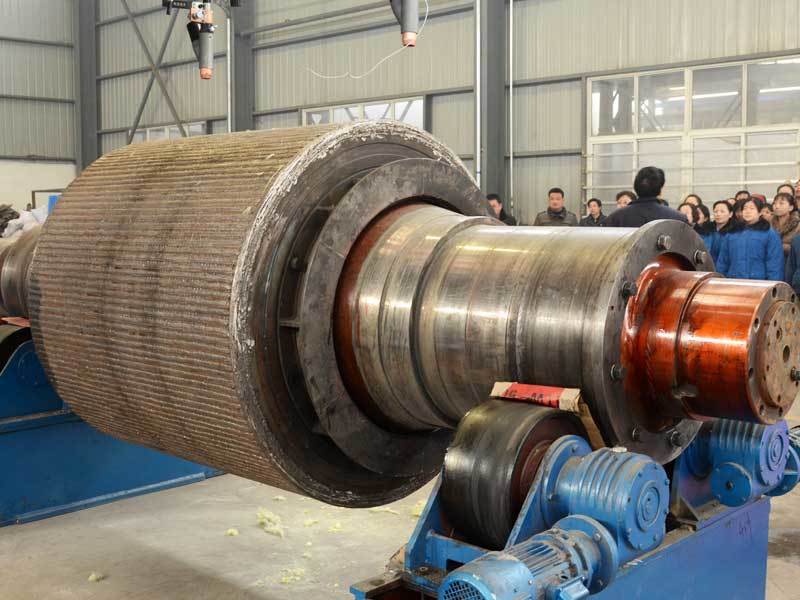
New-Type High-Pressure Roller Wear-Resistant Surfacing Welding Technology
-
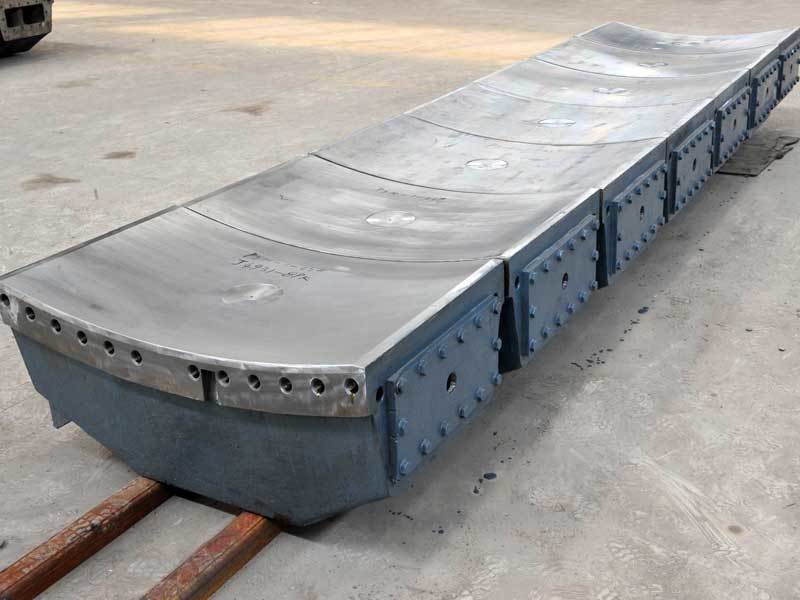
Bus Alloy Bushings
-
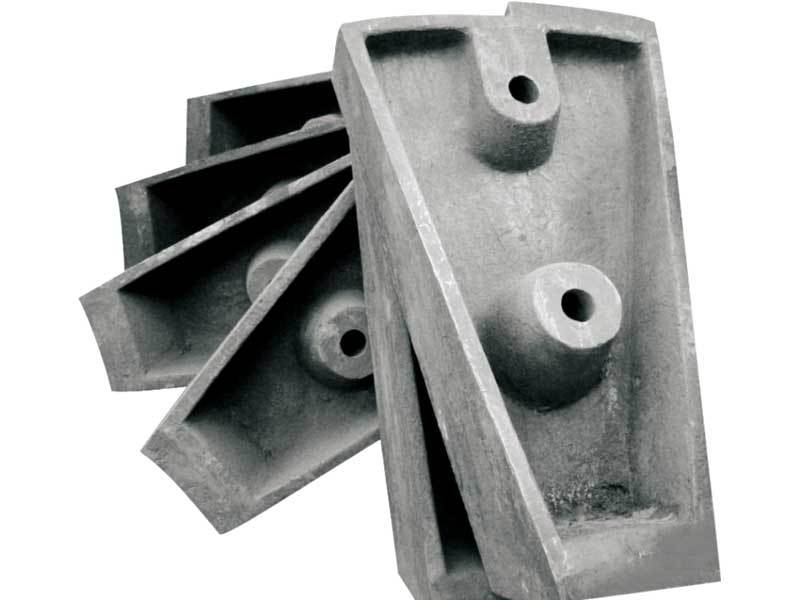
Large ball mill ZGMN13CR2 lining plate
-
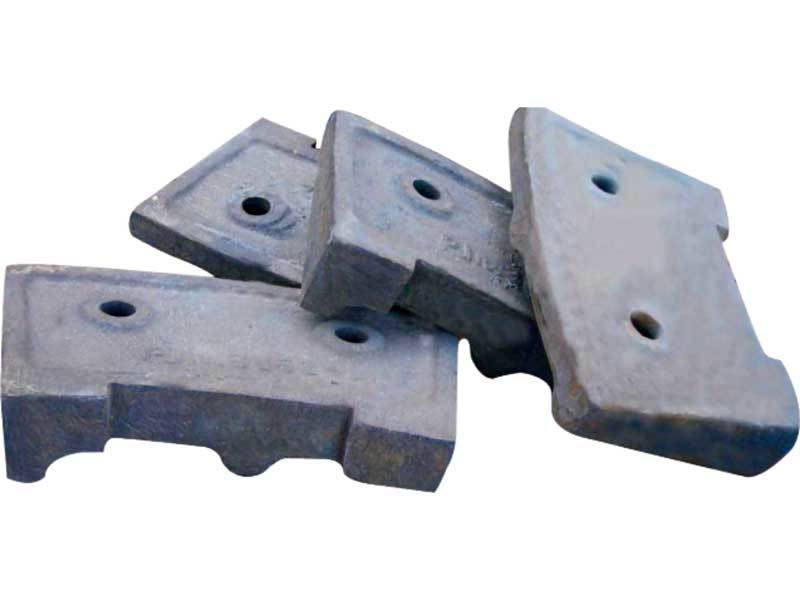
Medium-chromium alloy liner plate
-
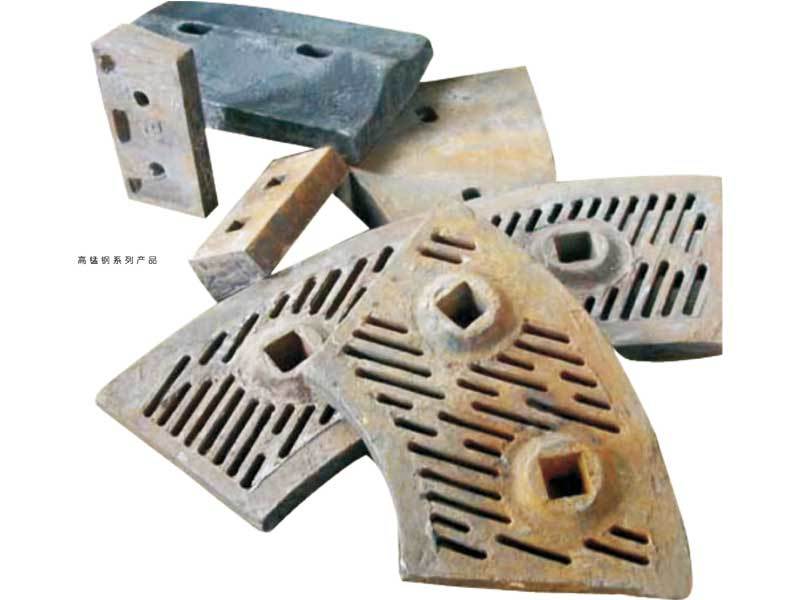
High-manganese steel product series
-

High-precision cast iron parts
-
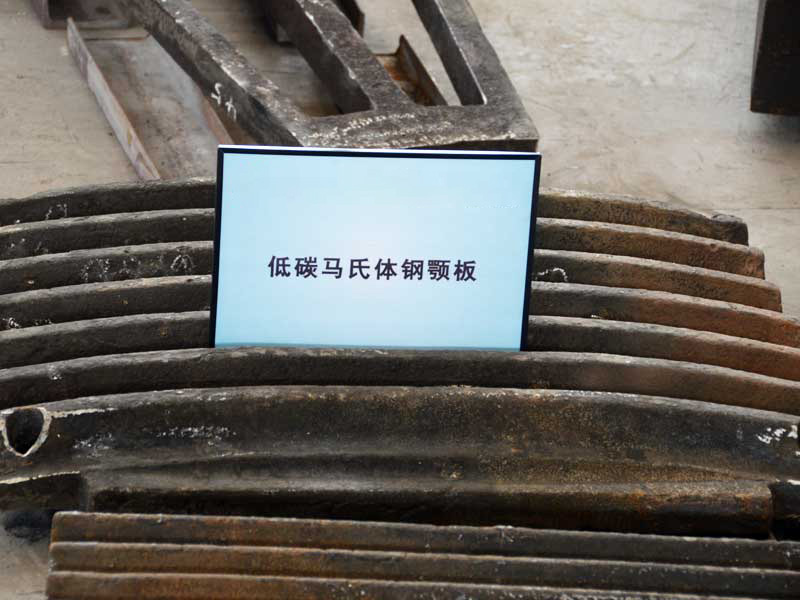
Low-carbon martensitic steel jaw plate
-
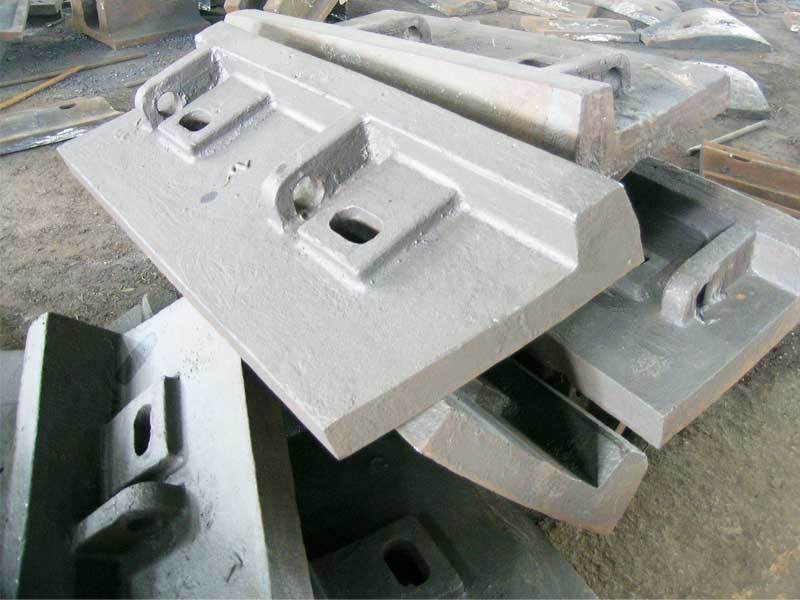
Large Self-Grinding Mill Cylinder Lining Plates
Engineering Plastics
-
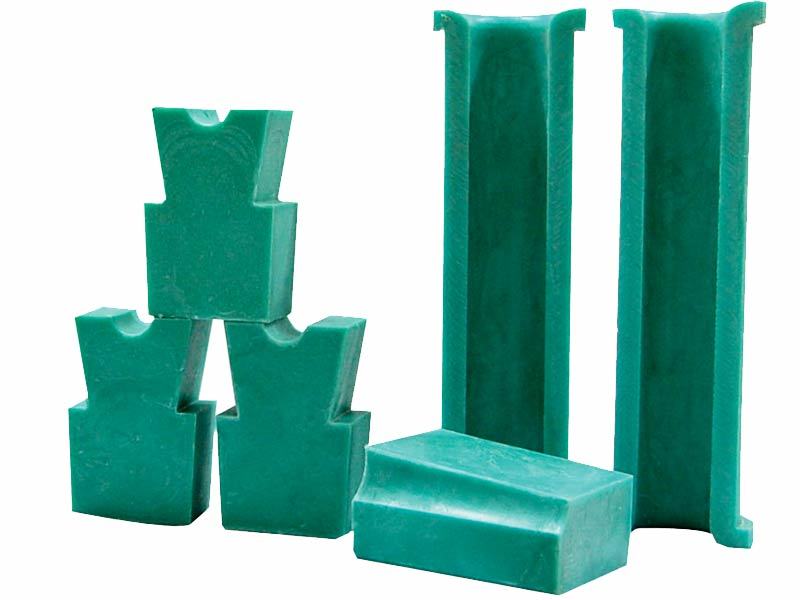
Modified PP sheave and guide wheel lining blocks for elevators
-
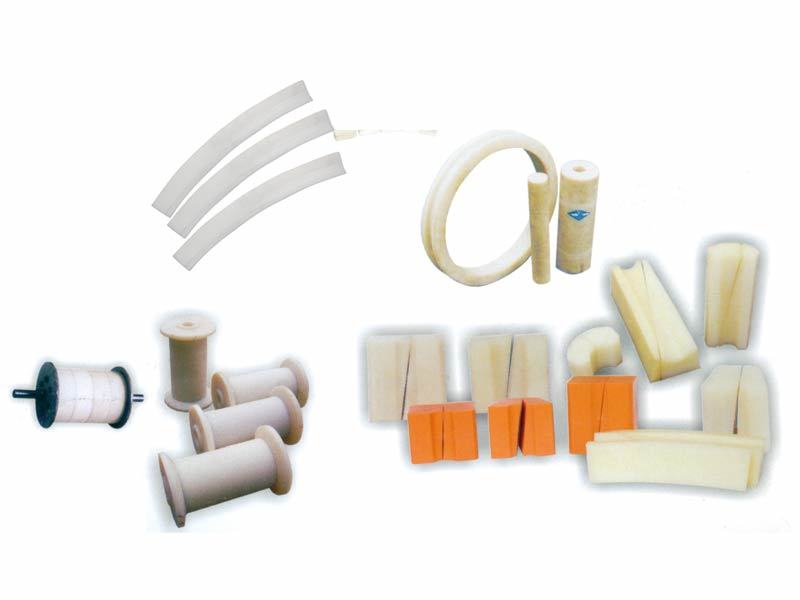
Nylon products
-
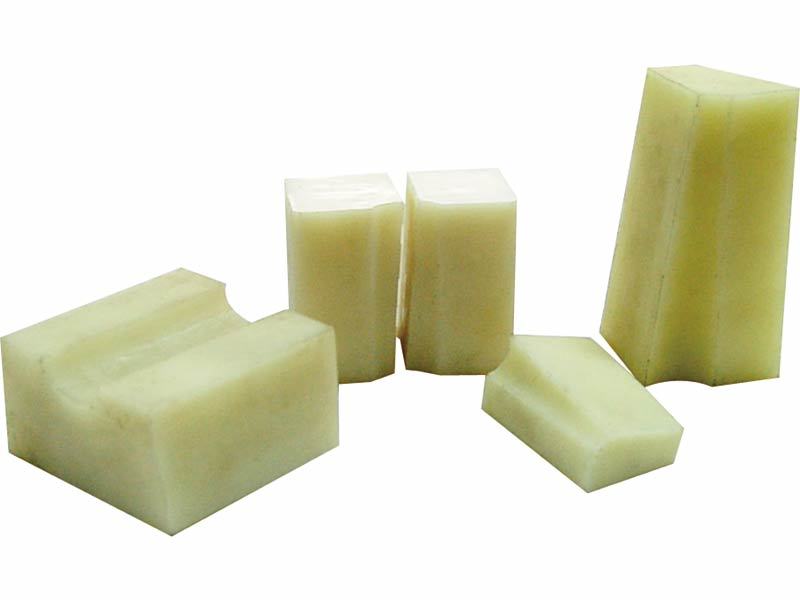
Polyurethane Products
-
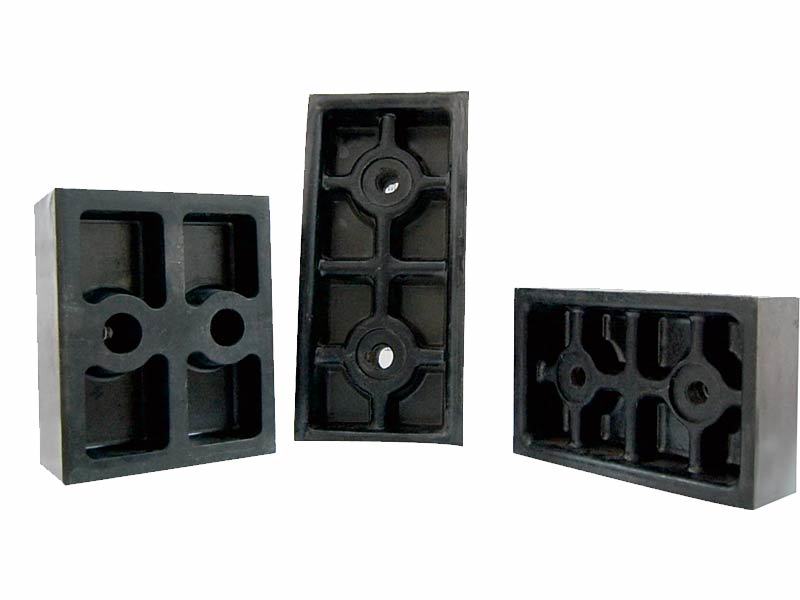
Multi-rope hoist phenolic press blocks, fixing blocks
-
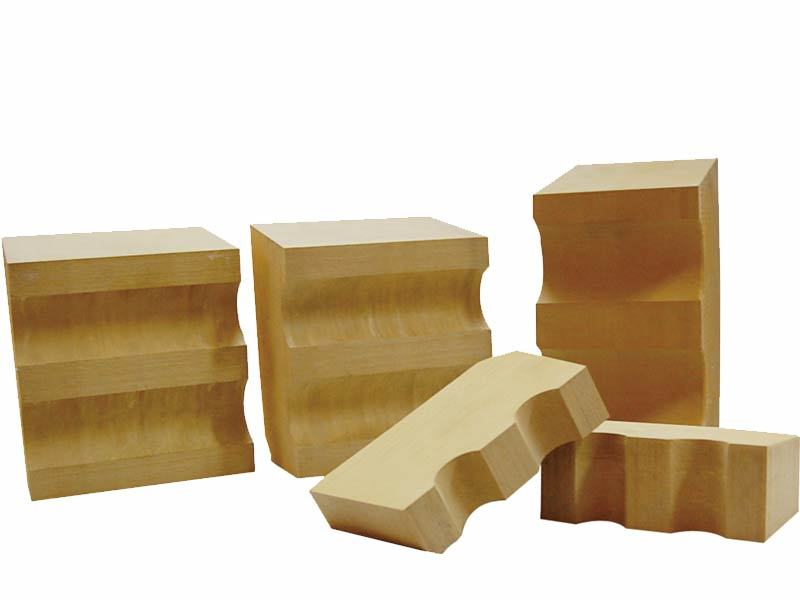
Germany-imported — LUWIPLAST GELB848 Friction Pads
-
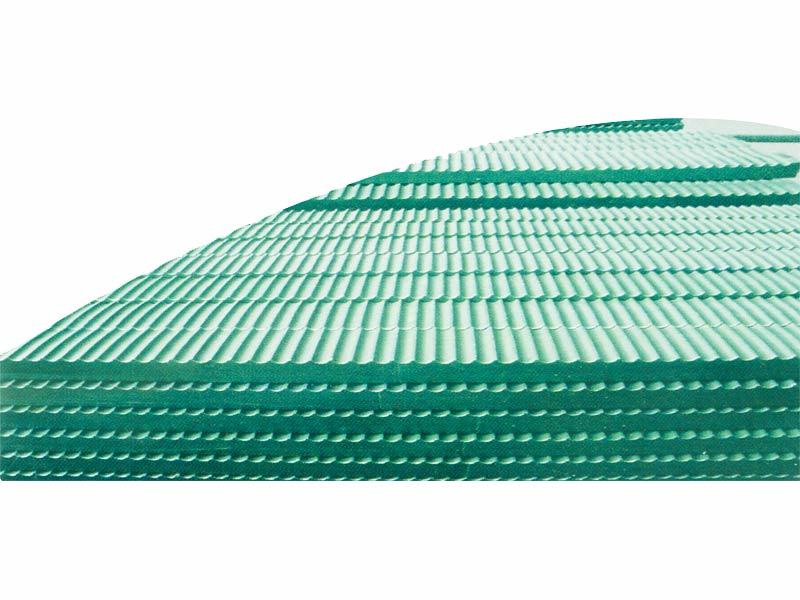
Single-rope mine hoist plastic lining板
-
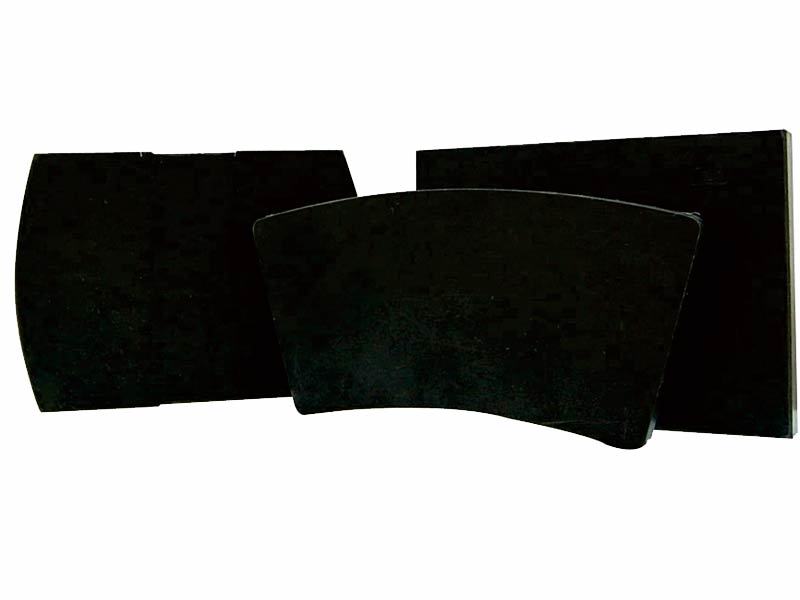
WSM-3 New Eco-Friendly, Non-Asbestos Brake Blocks (Elevator Braking System)
-
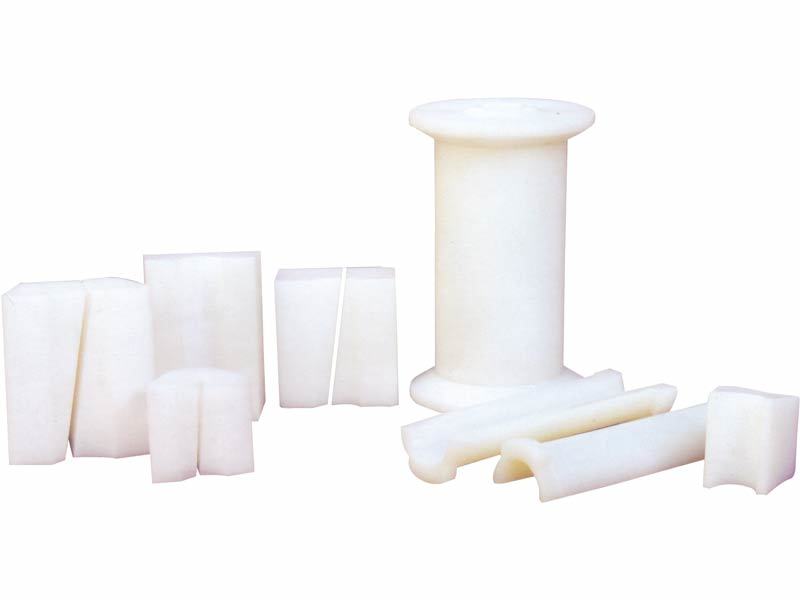
KP-09 Ultra-High Molecular Wheel Sheave Lining Pads
-
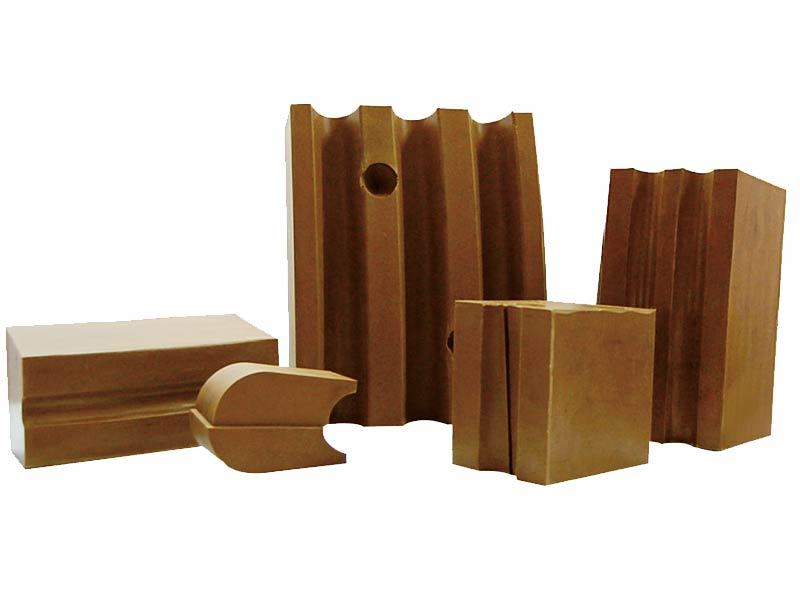
GDM326 Imported Material High-Performance Friction Pads
Roller shaft
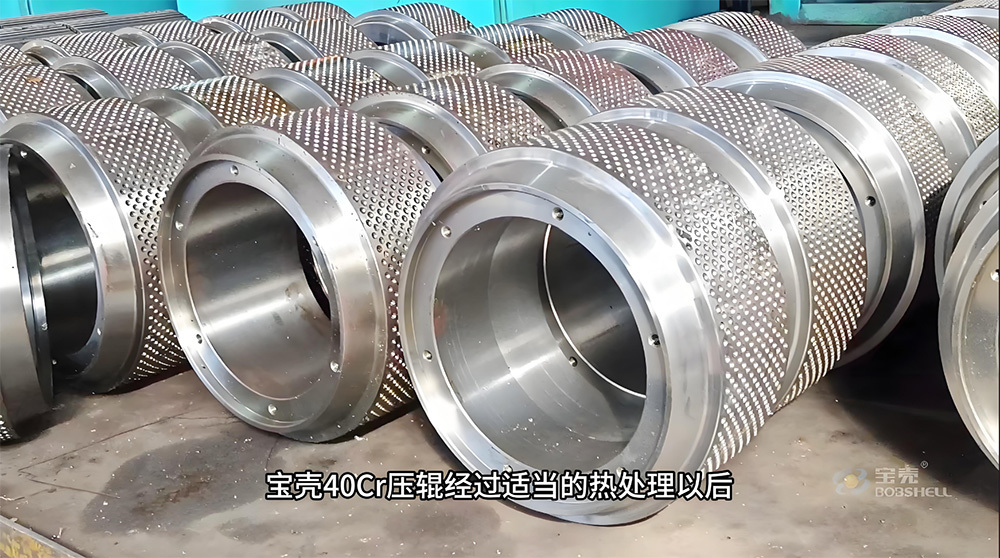
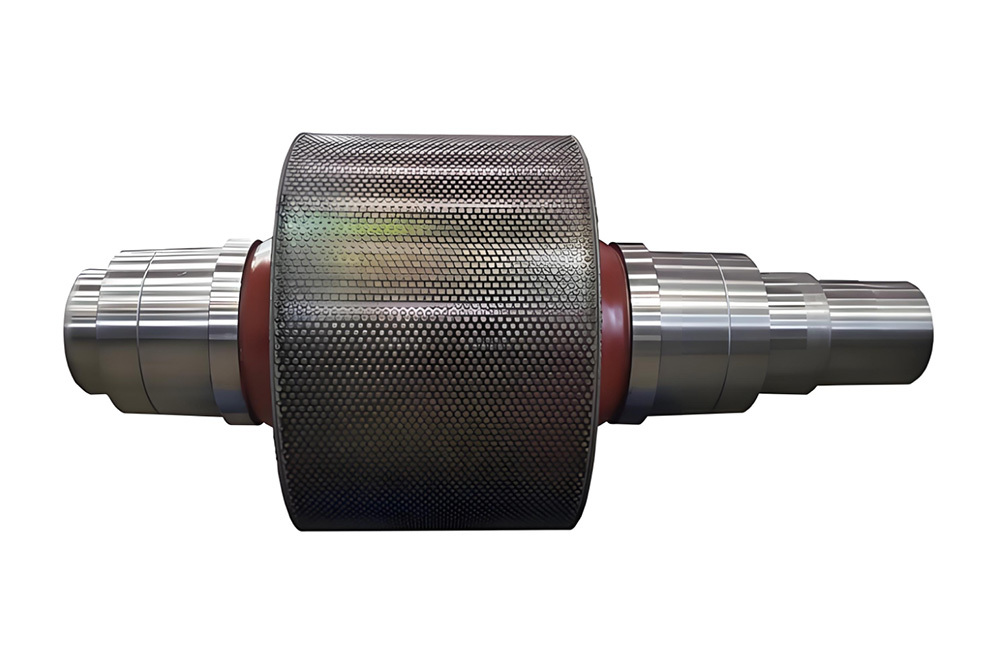
crane sheave

Contact Us
No.99 Hengshan Road, Jianxi District, Luoyang City, Henan Province
sweep
CITICTLC
Learn more about dynamic information